
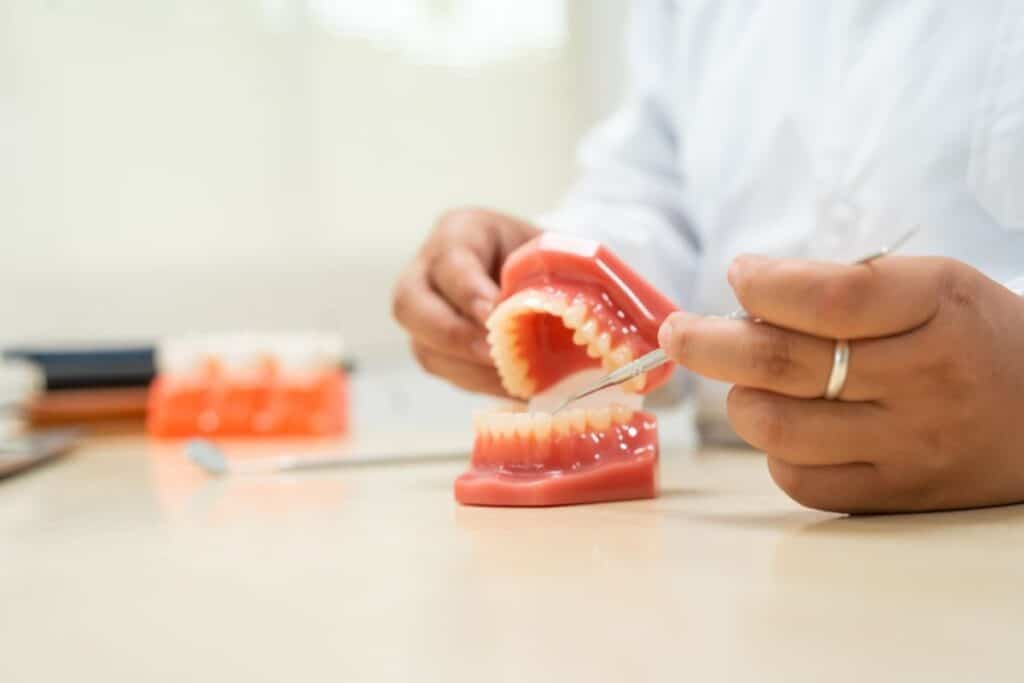
How Do Orthodontists Fix Protruding Teeth?
Protruding teeth, commonly referred to as “buck teeth,” can affect both the appearance and functionality of a person’s smile. Whether caused by genetics, thumb-sucking in childhood, or misaligned jaw development, protruding teeth can lead to problems with self-esteem, speech, and even oral health. Orthodontists are specialized dental professionals equipped to address this issue with a variety of treatment options. Let’s explore the causes of protruding teeth and the techniques orthodontists use to correct them.
What Are Protruding Teeth?
Protruding teeth occur when the upper front teeth extend far beyond the lower front teeth. This misalignment is a type of malocclusion, often referred to as an overjet, and it differs from an overbite (where the upper teeth overlap the lower teeth vertically). Protruding teeth can vary in severity, from minor cosmetic concerns to more pronounced alignment issues that interfere with biting, chewing, and speech.
Causes of Protruding Teeth
Several factors contribute to the development of protruding teeth:
1. Genetics
In many cases, protruding teeth are hereditary. If one or both parents have a similar condition, their child is more likely to develop it as well. Genetics play a role in determining jaw size and alignment, both of which impact how teeth grow and align.
2. Childhood Habits
Certain habits in early childhood can influence tooth positioning:
- Thumb-sucking: Prolonged thumb-sucking places pressure on the upper front teeth, pushing them outward.
- Pacifier use: Excessive pacifier use beyond the toddler years can have a similar effect as thumb-sucking.
- Tongue-thrusting: Repeatedly pushing the tongue against the teeth while swallowing or speaking can lead to protrusion over time.
3. Jaw Misalignment
A disproportionate relationship between the upper and lower jaws can cause the upper teeth to protrude. This misalignment is often due to differences in jaw growth rates.
4. Tooth Loss or Crowding
Losing a tooth early, especially in childhood, can disrupt the alignment of the surrounding teeth, sometimes causing the front teeth to move outward. Similarly, crowding of teeth can push some teeth out of their natural alignment.
Why Fix Protruding Teeth?
Protruding teeth are more than just a cosmetic issue. Addressing them can provide several benefits:
- Improved oral health: Protruding teeth are more prone to trauma, as they are less protected during impacts. Correcting them reduces the risk of chipping or breaking.
- Enhanced speech: Misaligned teeth can interfere with pronunciation and speech clarity. Orthodontic treatments can address these concerns.
- Better bite functionality: Proper alignment improves the efficiency of biting and chewing, reducing strain on the jaw.
- Boosted self-confidence: Correcting protruding teeth can give patients a more symmetrical, appealing smile, improving their confidence.
How Do Orthodontists Fix Protruding Teeth?
Orthodontists use several techniques to treat protruding teeth, depending on the severity of the condition and the patient’s age. Here are the most common methods:
1. Braces
Traditional braces are one of the most effective tools for fixing protruding teeth. They consist of brackets bonded to the teeth and connected by wires, which exert gentle pressure to shift the teeth into proper alignment over time.
Types of braces used for protruding teeth:
- Metal braces: The most common option, especially for severe cases.
- Ceramic braces: A more discreet option with tooth-colored brackets.
- Lingual braces: Positioned on the back of the teeth, making them nearly invisible from the front.
Braces can also address other alignment issues, such as overcrowding or spacing while correcting the protrusion.
2. Invisalign
Invisalign offers clear, removable aligners for those seeking a less noticeable solution that gradually moves the teeth into their desired position. Invisalign is most effective for mild to moderate cases of protruding teeth and is a popular choice among adults and teenagers.
Invisalign treatment typically involves a series of custom-made aligners that are replaced every one to two weeks. The aligners must be worn for 20–22 hours a day for optimal results.
3. Headgear
In severe cases of protruding teeth caused by jaw misalignment, orthodontists may recommend headgear. This appliance applies pressure to the upper jaw to correct its position in relation to the lower jaw. Headgear is often used in conjunction with braces for younger patients whose jaws are still growing.
4. Tooth Extraction
If overcrowding is contributing to protruding teeth, the orthodontist may recommend extracting one or more teeth. This creates space in the mouth, allowing the remaining teeth to shift into proper alignment.
5. Jaw Surgery (Orthognathic Surgery)
For extreme cases where the jaw alignment is significantly uneven, orthognathic surgery may be necessary. This procedure is usually reserved for adults whose jawbones are fully developed. The surgery repositions the upper and lower jaws to improve alignment, often in combination with braces.
How Long Does Treatment Take?
The duration of treatment depends on the severity of the protrusion and the method used. Braces typically take 18 to 24 months to correct protruding teeth, while Invisalign may take a similar amount of time for moderate cases. In more severe instances requiring headgear or surgery, treatment could extend beyond two years.
Tips for Maintaining Results After Treatment
Once the orthodontic treatment is complete, retaining the results is crucial. Orthodontists typically provide retainers to ensure that the teeth stay in their new positions. Here are some tips to maintain your straightened smile:
- Wear your retainer as instructed: Consistent use of a retainer prevents teeth from shifting back to their original position.
- Practice good oral hygiene: Keep your teeth and gums healthy to support the long-term success of your orthodontic treatment.
- Schedule regular dental check-ups: Routine visits to your dentist or orthodontist can catch any potential alignment issues early.
Final Thoughts
Fixing protruding teeth is not only about improving your smile but also about enhancing oral functionality and overall well-being. Orthodontists have the tools and expertise to correct this common dental issue, offering customized solutions tailored to each patient’s needs.
If you or a loved one is dealing with protruding teeth, consulting a qualified orthodontist is the first step toward achieving a confident and healthy smile. For residents in Texas, an experienced Orthodontist in Killeen can provide the expert care needed to fix protruding teeth and improve your quality of life.