
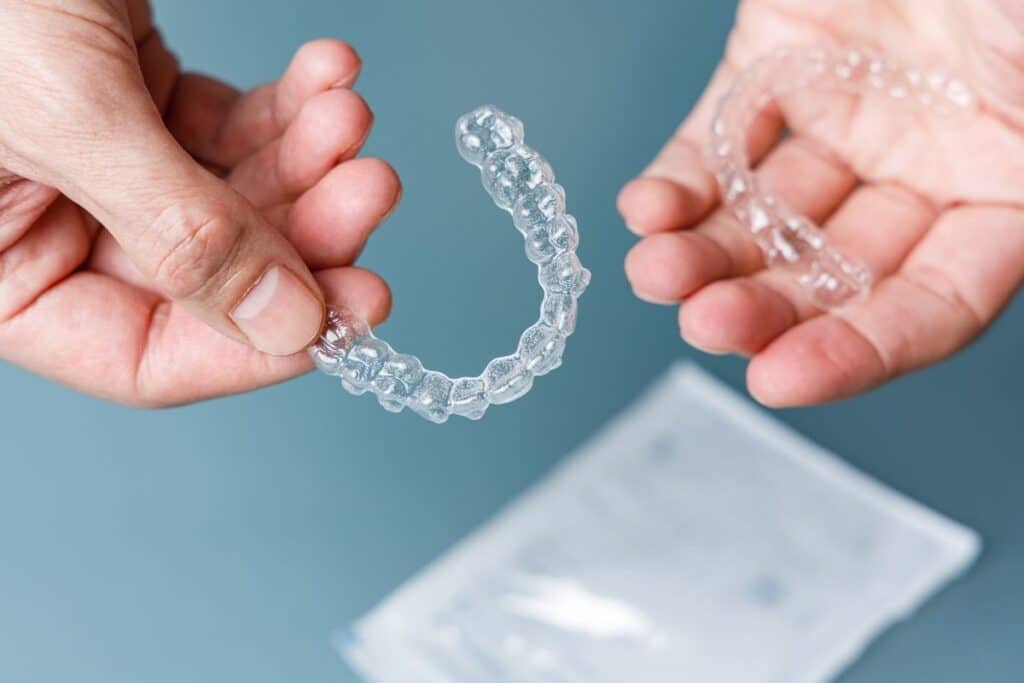
How Long Does Invisalign Take? A Complete Guide for Faster Results
If you’re considering the Invisalign treatment to straighten your dental misalignment, one of the first questions that comes up is how long the procedure will take. Whether you’re a student in Texas or a busy professional commuting on I-14, you want a treatment that fits into your lifestyle.
While these clear aligners can straighten your teeth in as little as 12 months, the actual treatment time can vary. In this blog, we’ll break down how long it typically takes, factors that affect the timeline, and how you can speed up the process to get your dream smile faster.
Typical Timelines by Case Type
This orthodontic treatment works for a wide variety of cases, from minor tooth shifts to more complex alignment issues. The amount of time you need for treatment depends largely on the complexity of your case. Here’s how the treatment times generally break down based on your specific needs:
Minor Corrections (6–9 months)
If you have slight crowding, small gaps, or minor relapse from previous orthodontic work, Invisalign can straighten your teeth in as little as 6 to 9 months. These are typically quick fixes that involve minor adjustments to your existing alignment.
Mild to Moderate Cases (12–18 months)
If you have noticeable crowding, spacing issues, or minor bite problems, your treatment may last between 12 to 18 months. Many patients begin to see noticeable results within the first few months, giving them an early confidence boost.
Complex Cases (18–24+ months)
For severe crowding, large gaps, or significant bite misalignments such as overbites or underbites, the treatment may take 18 to 24 months or longer. These cases require more precise movements to get your teeth into their final positions, which means a longer treatment duration.
When Will You See Noticeable Changes?
One of the best things about Invisalign is that you don’t have to wait until the end of treatment to see progress. Most patients notice subtle shifts in their smile within the first 6 to 10 weeks. By the three-month mark, many find their teeth are visibly straighter, which can be an exciting and motivating sign that the treatment is working.
As you continue to wear your aligners, the changes become even more noticeable, boosting your confidence and making the treatment feel worth the wait.
Factors That Influence Treatment Speed
While the general timeline for Invisalign is clear, your personal treatment duration will depend on several factors. Here’s what can influence how fast your Invisalign treatment works:
Patient Compliance
Your role in the treatment process is crucial. To get the best results from your Invisalign in Killeen, you must wear your aligners for 20 to 22 hours a day. The only time you should remove them is when eating, drinking, brushing your teeth, or flossing. If you wear your aligners as instructed, your treatment will progress at a steady pace.
Case Complexity
The severity of your alignment issues will directly affect how long your treatment takes. For instance, a simple spacing case might require only 20 aligners, whereas a more complex issue, such as rotating teeth or correcting a bite, might require more aligners. The more movement required, the longer your treatment will last.
Age and Biology
Teens often experience faster results with Invisalign since their jawbones are still developing and can adapt more easily. Adults, however, tend to have denser bone structures, which may cause their treatment to take a little longer. While results can still be impressive for adults, it’s important to be patient.
Biological Response
Everyone’s teeth move at different rates. Factors like your bone density and oral health will affect how quickly your teeth shift. Some people may see faster changes, while others may take a little longer. Your dentist will be able to track your progress and make adjustments as needed to ensure optimal results.
Invisalign vs. Traditional Braces
In many cases, Invisalign is not only more comfortable than traditional braces but can also be faster. While traditional metal braces typically take between 18 to 24 months, Invisalign’s precision movements, aided by 3D digital planning, often achieve similar results in a shorter period. Many Killeen residents find that Invisalign works in as little as 12 months, which makes it an appealing choice for those seeking a quicker, less noticeable solution.
Additionally, these clear aligners are removable, allowing you to maintain good oral hygiene and enjoy your favorite foods. Metal braces, on the other hand, are fixed to your teeth and can be more challenging to clean and maintain.
Tips for Speeding Up Your Invisalign Treatment
Want to speed up your teeth alignment journey? Here are some tips to help:
- Wear your aligners consistently: Stick to the 20-22 hours per day rule. The more you wear your aligners, the quicker your teeth will move into position.
- Care for your aligners properly: Clean your aligners every day, and store them properly when not in use. This prevents bacterial build-up and ensures they fit properly.
- Follow up with your dentist regularly: Regular visits to your Invisalign provider ensure your treatment is progressing as planned. They may make adjustments to your aligners if necessary.
A Perfect Teeth Alignment Treatment is Just an Appointment Away
Achieving your dream smile with Invisalign in Killeen is an exciting journey that begins with a personalized treatment plan. Whether you have minor adjustments or more complex alignment needs, your timeline will be tailored to your unique dental requirements. By working with a trusted local provider, you can ensure that your Invisalign experience is smooth and effective, resulting in a smile that you’ll be proud to show off. Don’t wait any longer, your perfect smile is within reach!
Ready to take the first step toward your new smile? Book a consultation today with our expert orthodontic team in Killeen, where we provide personalized care using the latest technology. Our dental practice is known for delivering exceptional Invisalign treatment and comprehensive dental care. Contact us now to start your smile transformation!