
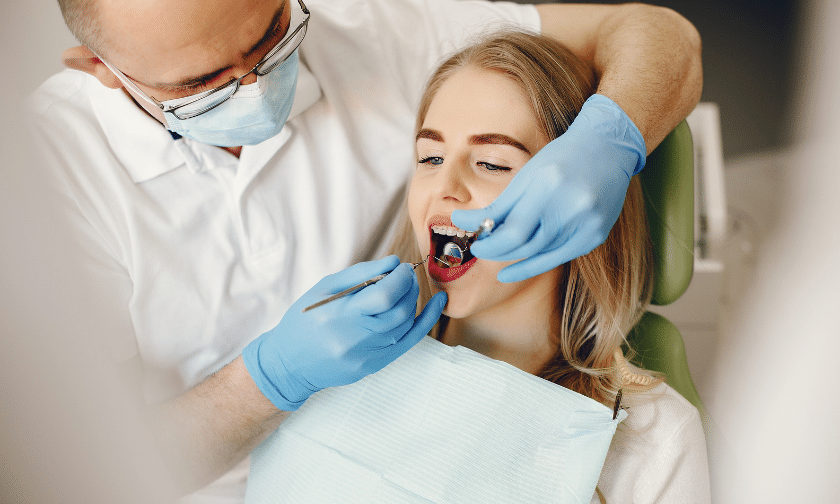
Straightening Out Your Smile: A Comprehensive Guide To Orthodontic Treatment
Are you tired of hiding your smile because of crooked teeth? Do you want to straighten out your pearly whites and achieve a confident, beautiful grin? Look no further! In this comprehensive guide to orthodontic treatment, we’ll cover everything you need to know about straightening out your smile. From traditional braces to clear aligners, we’ll explore the various options available for correcting misaligned teeth. Say goodbye to self-consciousness and hello to a dazzling new smile with our expert advice and helpful tips. Let’s get started on your journey toward a straighter, healthier mouth!
What is Orthodontic Treatment?
Orthodontic treatment is a process of straightening teeth and correcting bite problems. It can be done using braces, clear aligners, or other appliances. Treatment usually takes several months to a couple of years, depending on the severity of the problem. The goal of orthodontic treatment is to improve the appearance of your smile and make it easier to brush and floss your teeth.
Types of Orthodontic Treatments
There are many different types of orthodontic treatments available to patients looking to improve their smile. Some of the most common types of treatments include:
Braces: Braces are the most traditional and well-known type of orthodontic treatment. They work by using metal brackets and wires to gradually move teeth into their proper position.
Invisalign: Invisalign is a popular alternative to braces that uses clear, removable aligners to gradually straighten teeth. Because they are nearly invisible, many patients prefer Invisalign over braces.
Palatal Expanders: Palatal expanders are devices that are used to widen the upper jaw in order to correct bite problems. They are often used in conjunction with braces or other orthodontic devices.
Headgear: Headgear is another type of device that is used to help move teeth into their proper position. It is often worn at night in order to apply gentle pressure on the teeth and jaws, which helps guide them into place over time.
Pros and Cons of Treatment
There are many reasons to consider orthodontic treatment, but it’s important to be aware of the potential pros and cons before making a decision. On the plus side, treatment can improve your appearance and self-confidence, make it easier to keep your teeth clean, and correct bite problems that can cause pain or difficulty chewing. On the downside, treatment takes time (usually one to three years), requires regular visits to the orthodontist, and can be expensive.
The best way to find out if orthodontic treatment is right for you is to consult with an orthodontist. He or she will be able to assess your individual needs and give you a detailed treatment plan.
Pre-Treatment Checklist
A smile is one of the first things people notice about you, so it’s important to make sure yours is looking its best. If you’re considering orthodontic treatment to straighten your teeth, there are a few things you need to do before starting the process. This pre-treatment checklist will help ensure that you’re ready for your new smile:
1. Schedule a consultation with an orthodontist. This is the first step in getting orthodontic treatment and will help determine which type of treatment is right for you.
2. Get a dental exam and cleaning. You’ll want to make sure your teeth are healthy before starting any type of treatment.
3. Take x-rays of your mouth and teeth. Your orthodontist will use these to develop a Treatment Plan specifically for you.
4. Review your options and choose the type of braces or aligners that you want. There are many different types available, so be sure to ask lots of questions!
5. Make sure you have enough money saved up to cover the cost of treatment. Orthodontic treatment can be expensive, so be prepared!
6. Find out if your insurance plan covers orthodontic treatments. Some plans do offer coverage, which can help offset the cost somewhat.
7. Set aside some time for regular appointments with your orthodontist during treatment – typically every
What to Expect During Treatment?
Orthodontic treatment usually takes between one and three years. During this time, you can expect to have regular appointments with your orthodontist to adjust your braces and track your progress. You will also need to take extra care of your teeth and gums to prevent cavities and gum disease.
The first few weeks of orthodontic treatment may be the most uncomfortable as your mouth adjusts to the braces. To help ease the discomfort, we recommend eating soft foods, avoiding hard or sticky candy, and using over-the-counter pain relievers as needed. As you get used to wearing braces, the discomfort will go away.
You will also need to clean your teeth more carefully to avoid cavities and gum disease. Be sure to brush after every meal and floss at least once a day. You may also need to use special toothbrushes or oral rinses prescribed by your orthodontist.
If you have any questions or concerns about your orthodontic treatment, be sure to talk to your orthodontist. They are here to help you achieve a beautiful, healthy smile!
Aftercare and Maintenance
After you’ve completed your orthodontic treatment, it’s important to maintain your new smile. Here are some tips for aftercare and maintenance:
-Brush and floss your teeth regularly. This will help prevent tooth decay and gum disease, which can occur more easily with straight teeth.
-Visit your dentist regularly for checkups and cleanings.
-Wear a retainer as prescribed by your orthodontist. This will help keep your teeth in their new position.
-Avoid hard and sticky foods that can damage your braces or retainer.
By following these tips, you can keep your smile looking its best for years to come!
Alternatives to Orthodontic Treatment
While orthodontic treatment is the best way to achieve a straight smile, there are some alternatives that can help. These include:
-Invisalign: This is a clear aligner system that is virtually invisible. It uses a series of clear plastic aligners to gradually move your teeth into place.
-Braces: Traditional metal braces are still an option for straightening your smile. They are more visible than Invisalign, but they are also usually more affordable.
-Retainers: After you finish orthodontic treatment, you will need to wear a retainer to keep your teeth in place. Retainers can be removable or fixed, and they come in different materials such as metal, plastic, or silicone.
Summary
We hope this guide has given you a better understanding of orthodontic treatment and how it can help straighten out your smile. Whether you’re considering traditional braces, Invisalign, or another orthodontic treatment option, understanding the basics can help make sure that you have all the information you need to make an informed decision about what type of treatment is best for your needs. If you still have questions about any aspect of orthodontics, don’t hesitate to contact a qualified specialist who will be able to provide more personalized advice and guidance.