
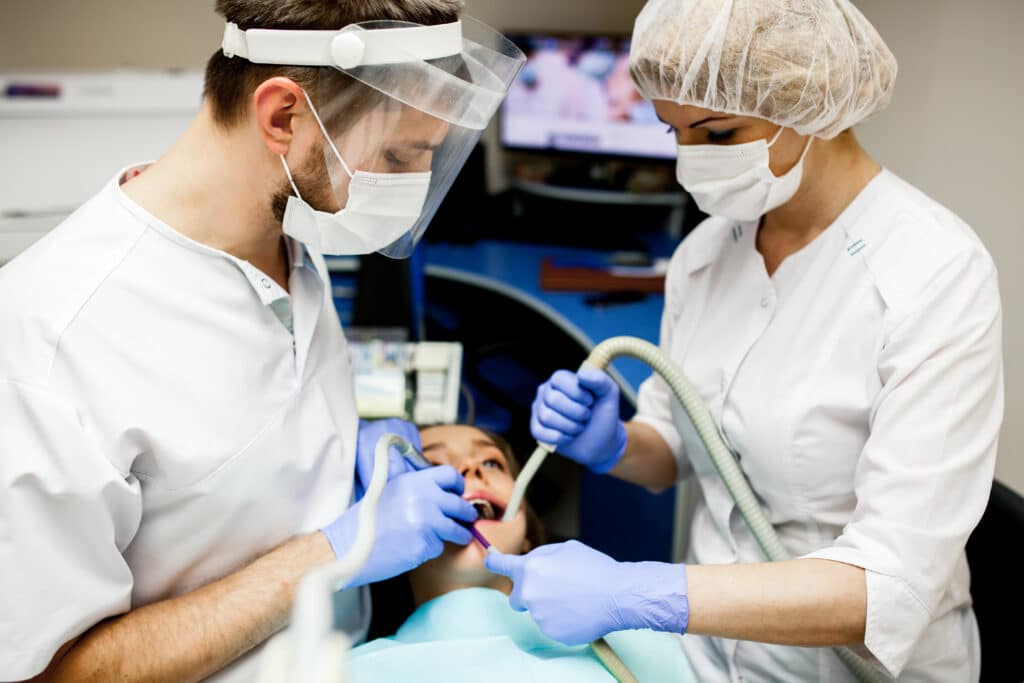
Unlocking The Benefits Of Surgical Orthodontics: What You Need to Know
Are you struggling with misaligned teeth, and wondering if there’s a solution beyond conventional braces? Look no further! In our latest blog post, we delve into the world of surgical orthodontics – a groundbreaking approach that unlocks a whole new realm of benefits for those seeking straighter smiles. From correcting jaw discrepancies to achieving long-lasting results, join us as we explore everything you need to know about this transformative procedure. Get ready to unlock the key to your perfect smile!
Introduction to Surgical Orthodontics
Surgical orthodontics, also known as orthognathic surgery, is a specialized type of dental surgery that corrects irregularities of the jaws and teeth. This type of surgery can be used to treat a wide variety of dental and facial problems, including an improper bite, jaw misalignment, sleep apnea, TMJ disorders, and cleft palate.
While traditional braces and other orthodontic treatments can often correct many of these issues, surgical orthodontics may be required in more severe cases. Surgical orthodontics is a highly complex and delicate procedure that should only be performed by a qualified oral surgeon.
If you or your child are considering surgical orthodontics, it is important to learn all you can about the procedure and what to expect before making any decisions. The following sections will provide you with an introduction to surgical orthodontics and help you better understand the risks and benefits associated with this treatment option.
What Are the Benefits of Surgical Orthodontics?
While there are many benefits that come with surgical orthodontics, the main goal is to improve the function and appearance of your teeth. Surgical orthodontics can also improve your bite, making it easier to eat and speak. Other benefits include:
-A straight smile that you’re proud to show off
-Improved oral health because straight teeth are easier to clean
-Boosted self-esteem and confidence
-Correction of jaw problems that may be causing pain
-Improvement of overall facial appearance
Who Is a Good Candidate for the Treatment?
There are a few different types of surgical orthodontics procedures, and each one is best suited for a specific type of patient. Here is a breakdown of the most common procedures and who they benefit the most:
- Damon Braces: These braces are ideal for patients who have severe crowding or gaps in their teeth. They are also good for patients who have missed out on traditional braces in their younger years.
- Invisalign: Invisalign is perfect for patients who want to straighten their teeth without anyone knowing. The clear aligners are virtually invisible, so you can go about your daily life without anyone noticing you’re undergoing treatment.
- Palatal Expanders: Palatal expanders are often used on young patients whose upper jaw has not grown properly. This procedure helps to correct the alignment of the upper jaw, which in turn will improve the overall alignment of the teeth.
If you’re considering surgical orthodontics, be sure to consult with an experienced orthodontist to find out which procedure is right for you.
What Are the Risks and Side Effects?
There are a few risks and side effects associated with surgical orthodontics that patients should be aware of before undergoing treatment. These include:
- Infection: One of the most serious risks associated with any type of surgery is the possibility of developing an infection at the surgical site. While this risk is relatively low with surgical orthodontics, it is still important to be aware of the potential for infection and to seek medical attention if any signs or symptoms develop.
- Bleeding: Another common side effect of surgery is bleeding. Patients may experience some bleeding immediately following their procedure, but this should quickly subside. If heavy bleeding persists or if blood begins to seep through your stitches, you should contact your surgeon immediately.
- Numbness: It is not uncommon for patients to experience some numbness around the surgical site following their procedure. This numbness is typically temporary and will resolve on its own over time. However, if numbness persists or spreads beyond the immediate area, you should contact your surgeon.
- Pain: Some degree of pain and discomfort is to be expected following surgery. Your surgeon will prescribe pain medication to help manage this discomfort and help you remain comfortable as you heal. However, if your pain is severe or persists for more than a few days, you should contact your surgeon as this could be a sign of a more serious problem.
What Should You Expect During the Procedure?
The surgical orthodontic procedure itself is typically quite quick, taking only about an hour to complete. However, you should expect to be at the orthodontist’s office for several hours, as you will need to have a consultation with the doctor beforehand and may need to have X-rays taken. After the procedure, you will likely experience some swelling and discomfort in your mouth, which can be alleviated with over-the-counter pain medication. It is important to follow all of the orthodontist’s post-operative instructions, such as eating soft foods and avoiding hard objects (such as straws) that could irritate your healing mouth.
How Much Does Surgical Orthodontics Cost?
The cost of surgical orthodontics can vary depending on the severity of the case, the experience of the surgeon, and the location of the surgery. Generally, surgical orthodontics costs between $5,000 and $6,000.
Alternatives to Surgical Orthodontics
There are a number of alternatives to surgical orthodontics that can be considered depending on the individual’s needs. For example, non-surgical procedures such as traditional braces or Invisalign may be recommended in some cases. Additionally, there are a number of minimally invasive surgical procedures that can be used instead of traditional orthodontic surgery. These include:
- Lingual braces: These braces are placed on the tongue side of the teeth and are virtually invisible when worn. They are an excellent alternative for patients who are concerned about the appearance of their smile during treatment.
- Mini-implants: Small titanium screws are placed in the jawbone and act as anchors for the movement of teeth. This is a less invasive alternative to traditional implants and can be used in conjunction with other orthodontic treatments.
- Palatal expanders: These devices are used to gradually widen the palate (roof of the mouth). They are usually made from plastic and metal and attached to the molars with bands. Palatal expanders can be an excellent alternative for patients who do not want to undergo surgery to correct a narrow palate.
In summary, surgical orthodontics offers a variety of benefits for those who are looking to achieve perfect teeth alignment and aesthetics. It can help to correct severe cases of misalignment which other forms of orthodontic treatments cannot address. The procedure is minimally invasive so it’s generally safe and the results can be seen in as little as six months. With proper care, you could enjoy beautiful teeth that last a lifetime!