
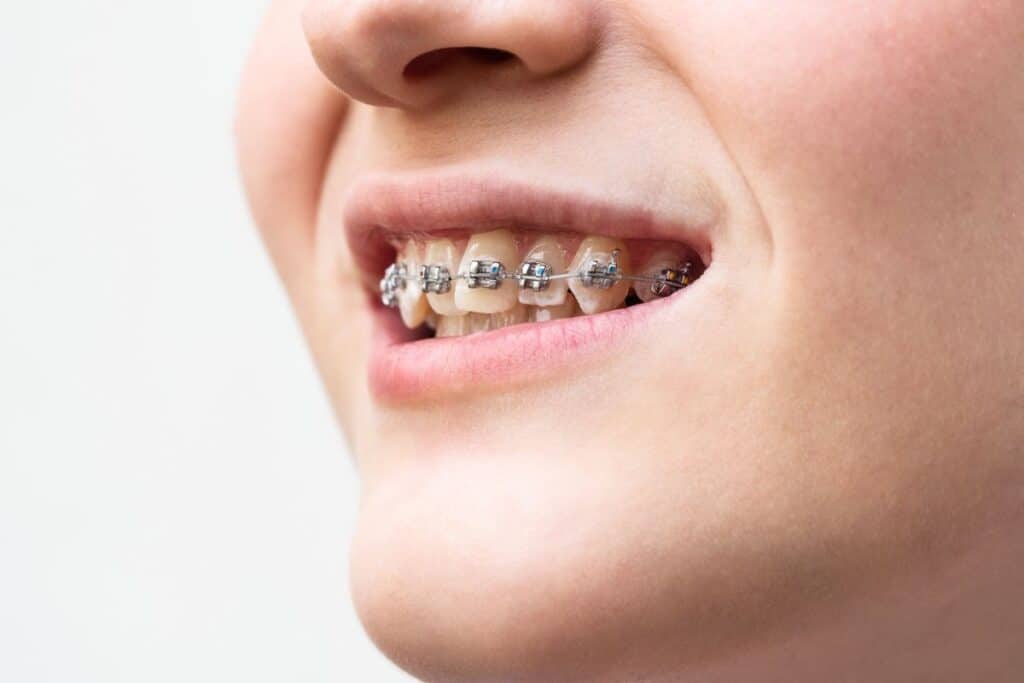
What Is Fixed Orthodontic Treatment?
Orthodontic treatment plays a vital role in achieving a healthy, beautiful smile. Among the various orthodontic options available, fixed orthodontic treatment remains one of the most common and effective methods for correcting dental irregularities. This blog explores what fixed orthodontic treatment entails, its benefits, and who it is best suited for.
Understanding Fixed Orthodontic Treatment
Fixed orthodontic treatment involves using appliances that are attached to the teeth and cannot be removed by the patient. The goal is to apply gentle, consistent pressure to shift teeth into their correct positions over time. These appliances are typically made up of brackets, wires, and sometimes bands.
Components of Fixed Orthodontic Appliances
- Brackets: Small attachments bonded directly to each tooth, usually made of metal or ceramic.
- Archwires: Thin wires threaded through the brackets, guiding the movement of the teeth.
- Bands: Metal rings placed around the molars to provide additional support.
- Elastics (Rubber Bands): Sometimes used to apply specific directional forces.
Benefits of Fixed Orthodontic Treatment
Fixed orthodontic appliances offer several advantages over other types of orthodontic treatments.
Precision and Control
The non-removable nature of fixed braces allows orthodontists to have better control over the movement of each tooth. This precision is essential for treating complex cases of misalignment or bite issues.
Effective for Complex Cases
Fixed braces are highly effective for correcting severe overcrowding, gaps, and malocclusions (misaligned bites), which may not be manageable with removable appliances like invisalign.
Customization Options
Modern braces come in various designs and materials, including ceramic braces that blend with the natural tooth color, providing an aesthetic option for patients concerned about their appearance during treatment.
Types of Fixed Orthodontic Appliances
There are different types of fixed orthodontic appliances to suit varying needs.
Traditional Metal Braces
These braces are the most commonly used type and consist of metal brackets and wires. They are durable and cost-effective.
Ceramic Braces
Ceramic braces are similar to traditional braces but are made of clear or tooth-colored materials, making them less noticeable.
Lingual Braces
Lingual braces are attached to the back (lingual side) of the teeth, making them virtually invisible. However, they may require more adjustment time for the patient.
How Fixed Orthodontic Treatment Works
Understanding the treatment process can help patients feel more comfortable with their journey.
Initial Consultation
An orthodontist conducts a thorough examination using X-rays, photographs, and molds to determine the best treatment plan.
Placement of Braces
The braces are affixed to the teeth during a procedure that typically lasts one to two hours. The process is painless but may cause mild discomfort as the patient adjusts to the appliances.
Periodic Adjustments
Patients visit the orthodontist every 4–6 weeks for adjustments. During these visits, wires may be tightened or replaced to maintain consistent pressure on the teeth.
Retention Phase
After the desired results are achieved, the braces are removed, and a retainer is provided to maintain the new alignment.
Who Can Benefit from Fixed Orthodontic Treatment?
Fixed orthodontic treatment is suitable for people of all ages, from children to adults, who need teeth alignment or bite correction.
Common Issues Addressed
- Overcrowding
- Overbite or underbite
- Crossbite
- Gaps between teeth
- Rotated or improperly aligned teeth
Pediatric and Adult Orthodontics
While fixed braces are commonly associated with teenagers, they are increasingly popular among adults seeking to improve their dental aesthetics and function.
Caring for Fixed Braces
Maintaining oral hygiene is critical during fixed orthodontic treatment to prevent issues such as cavities and gum disease.
Brushing and Flossing
Use a soft-bristled toothbrush and orthodontic floss threaders to clean around the brackets and wires thoroughly.
Dietary Adjustments
Avoid sticky, hard, or chewy foods that can damage the braces. Opt for softer foods that are easier to chew.
Regular Dental Visits
Routine dental check-ups and professional cleanings ensure that the teeth and gums remain healthy throughout the treatment.
Conclusion
Fixed orthodontic treatment is a tried-and-true method for achieving a well-aligned smile and improved oral health. With various options available, such as traditional metal braces, ceramic braces, and lingual braces, there’s a solution for everyone’s unique needs. Consulting with an experienced orthodontist is the first step toward determining if fixed braces are right for you. Remember, the path to a beautiful smile requires commitment, but the results are well worth the effort!