
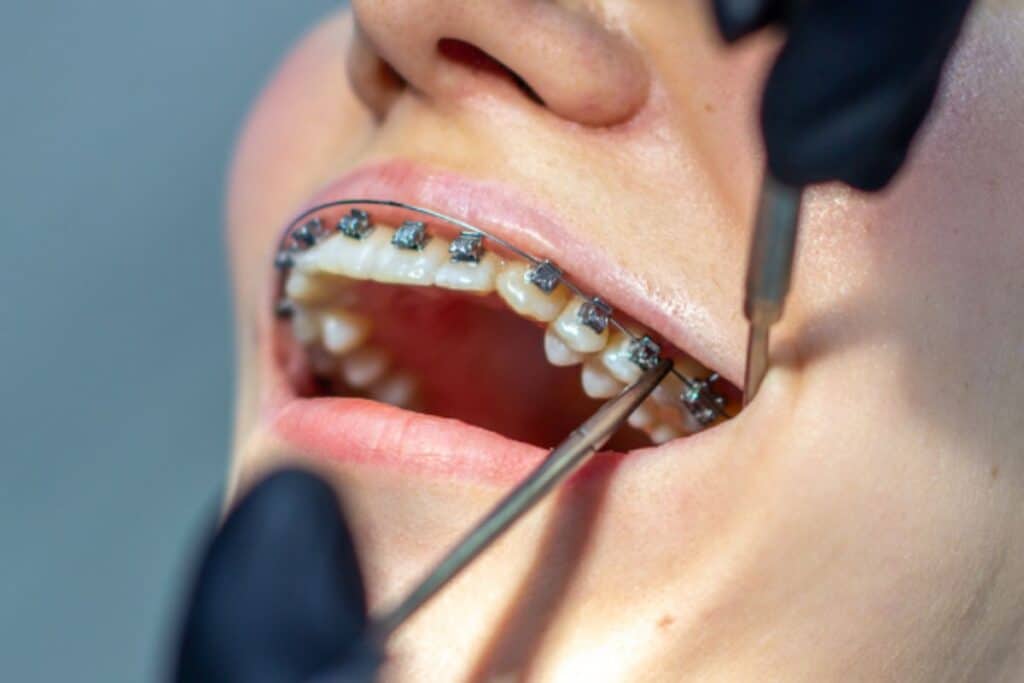
Braces for Teens vs. Adults: What’s Different About Orthodontic Treatment?
Choosing braces is a big step toward a healthier, more confident smile, but the experience can look different for a teenager than it does for an adult. Age, jaw development, lifestyle, treatment goals, and existing dental concerns can all influence how orthodontic treatment is planned.
For families in Killeen and the surrounding Central Texas communities, understanding these differences can make the decision feel much easier. Whether your teen is ready for orthodontic care or you’re finally considering treatment for yourself, knowing what to expect is a great place to start.
How Teen and Adult Orthodontic Treatment Differs
If you’re researching braces killeen, you may wonder whether orthodontic treatment works differently depending on age. The short answer is yes—but both teens and adults can achieve excellent results with the right treatment plan.
Teen Orthodontic Treatment
Teenagers are often treated while their jaws and facial structures are still developing. This can give an orthodontist more opportunities to guide tooth movement and address certain bite concerns as growth occurs.
Teen treatment may be recommended for:
- Crowded or overlapping teeth
- Gaps between teeth
- Overbites or underbites
- Crossbites
- Teeth that are difficult to clean because of their position
- Jaw alignment concerns
- Orthodontic issues identified during earlier dental visits
For many teens, braces also fit naturally into their school years. They may have classmates or friends going through treatment, making the experience feel less unusual.
Adult Orthodontic Treatment
Adults can benefit from orthodontic treatment at almost any stage of life. However, adult teeth and jaws are fully developed, so treatment planning may require additional consideration.
Adults may also have dental issues that developed over the years, such as worn enamel, missing teeth, old dental restorations, or gum concerns. These factors can affect how orthodontic treatment is approached.
Adults often choose treatment to:
- Improve tooth alignment
- Make brushing and flossing easier
- Correct bite problems
- Address shifting teeth
- Improve dental function
- Feel more comfortable about their appearance
A consultation with an experienced orthodontic provider can determine which options make sense for your teeth and goals.
What About Treatment Time?
There is no universal treatment timeline for teens or adults. Every mouth is different.
Factors such as the complexity of tooth movement, bite alignment, bone health, treatment compliance, and the type of orthodontic appliance used can affect how long treatment takes.
Teenagers may sometimes benefit from ongoing growth, while adults may require more careful planning because their jaw development is complete. That does not mean adults cannot achieve predictable results.
The key is following the treatment plan and keeping scheduled appointments.
Lifestyle Can Make a Difference
This is where the experience of braces can feel very different.
Teens may need reminders about:
- Brushing thoroughly around brackets
- Flossing regularly
- Avoiding hard or sticky foods
- Wearing elastics as directed
- Protecting braces during sports
Adults may already have established oral-care habits, but work, travel, parenting, or busy schedules can make appointments and daily care challenging.
If you live or work around Killeen, Fort Cavazos, Harker Heights, Copperas Cove, or nearby Central Texas communities, choosing an orthodontic office that fits your schedule can make staying on track easier.
Are Braces More Uncomfortable for Adults?
Not necessarily.
Some adults assume orthodontic treatment will be significantly more uncomfortable because they are older. In reality, temporary pressure or tenderness can occur at any age as teeth begin responding to orthodontic forces.
Your orthodontic provider can explain ways to stay comfortable during the adjustment period. Most patients gradually get used to the sensation as treatment progresses.
Which Option Is Right for Your Family?
There isn’t one treatment approach that works for everyone. A teen may benefit from traditional braces, while an adult may prefer a more discreet orthodontic option depending on their needs.
When comparing providers, look for an orthodontic practice that:
- Provides a thorough examination
- Explains treatment options clearly
- Discusses your specific bite and alignment concerns
- Creates an individualized treatment plan
- Answers questions without rushing the consultation
- Makes appointments convenient for your family
- Emphasizes long-term oral health, not just appearance
If you’re searching for the best braces killeen options, don’t choose based on appearance or price alone. The quality of your evaluation and treatment planning matters.
A Simple Way to Prepare for an Orthodontic Consultation
Before your appointment, think about what you want to improve. Is it crowded teeth? A bite problem? Teeth that have shifted over time? Or are you mainly interested in feeling more comfortable with your smile?
It can also help to make a short list of questions, such as:
- What orthodontic options are appropriate for me?
- How will my bite affect treatment?
- What should I expect during treatment?
- How should I care for my teeth while wearing braces?
- What happens after active treatment is complete?
An orthodontic consultation gives you an opportunity to get answers based on your individual dental needs rather than general information online.
Frequently Asked Questions
Can adults get braces even if they never had orthodontic treatment as teens?
Yes. Many adults begin orthodontic treatment later in life. An orthodontic evaluation can determine whether braces or another treatment option is appropriate.
Are braces harder to maintain as an adult?
Not necessarily. Adults may have busy schedules, but good brushing, flossing, dietary choices, and regular appointments can help keep treatment on track.
Do teenagers always need traditional metal braces?
No. Depending on their orthodontic needs, teens may have different treatment options. The appropriate choice depends on tooth position, bite, development, and other factors.
Can braces improve more than crooked teeth?
Yes. Orthodontic treatment can address certain bite and alignment problems in addition to straightening teeth. Correcting these issues may also make daily oral hygiene easier.
Should I wait until my teen is older before scheduling an orthodontic consultation?
Waiting isn’t always necessary. An orthodontist can evaluate your teen’s dental and jaw development and determine whether treatment is appropriate now or whether monitoring is better.
Take the Next Step Toward a Healthier Bite
Braces aren’t just about having straighter teeth. They can help address alignment and bite concerns while supporting better long-term oral function. Whether you’re making plans for your teenager or considering orthodontic treatment for yourself, the best place to begin is with a professional evaluation.
If you’re ready to explore your options, Solomon Orthodontics is here to help. Schedule an orthodontic consultation today and discover a treatment plan designed around your needs, lifestyle, and goals.