
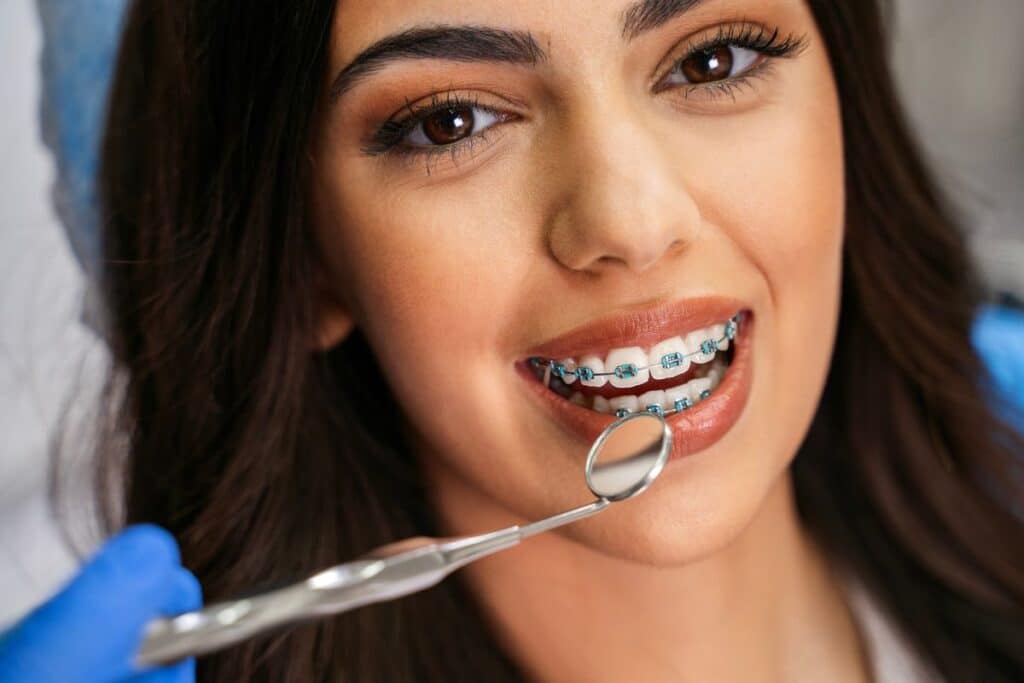
Can Braces Fix Facial Asymmetry?
Facial asymmetry refers to the unevenness or imbalance in the features of the face. It can occur naturally, and many people have some degree of asymmetry. While facial asymmetry is often minor and hardly noticeable, it can sometimes lead to self-consciousness or affect one’s confidence. For those concerned about their appearance, the question arises: can braces fix facial asymmetry? Let’s explore how braces work and whether they can help correct this condition.
Understanding Facial Asymmetry
Facial asymmetry can result from a variety of factors, including genetics, injury, dental issues, or developmental conditions. In most cases, slight asymmetry is normal, as no face is perfectly symmetrical. However, when the asymmetry is more pronounced, it may cause aesthetic concerns.
There are different types of facial asymmetry, including:
- Skeletal Asymmetry: This occurs when the bones of the face, such as the jaw or cheekbones, are not aligned properly.
- Dental Asymmetry: Misaligned teeth or a bite issue can cause the face to appear uneven.
- Soft Tissue Asymmetry: Uneven soft tissues like the muscles, skin, or fat distribution in the face can also contribute to facial asymmetry.
While some types of facial asymmetry may require surgical intervention, braces may offer a non-invasive solution for certain cases.
How Braces Can Address Facial Asymmetry
Braces are primarily used to straighten teeth and improve bite alignment, but they can also have a positive effect on the overall appearance of the face, especially when the cause of the asymmetry is related to dental or skeletal issues. Here’s how braces treatment can potentially fix facial asymmetry:
1. Correcting Misaligned Teeth and Bite Issues
A common cause of facial asymmetry is misaligned teeth or bite problems. Overbites, underbites, crossbites, or open bites can all affect the way your face looks. These conditions can lead to an uneven distribution of pressure when chewing, resulting in a skewed or unbalanced facial appearance.
Braces work by gradually shifting the teeth into proper alignment, which can improve both the function and aesthetics of the mouth. As your bite becomes more even, the alignment of your jaw may improve, leading to a more symmetrical facial appearance.
2. Aligning the Jaw
In some cases, facial asymmetry is caused by jaw misalignment. If one side of the jaw is more forward or backward than the other, it can create a noticeable difference in facial symmetry. Braces, in combination with other orthodontic appliances such as expanders or rubber bands, can help guide the jaw into a more balanced position.
This type of treatment may take longer and could require additional interventions, such as retainers or jaw surgery in extreme cases. However, for individuals with mild to moderate jaw misalignment, braces can significantly reduce facial asymmetry.
3. Enhancing Overall Facial Proportions
When braces correct the alignment of the teeth and jaw, they can also improve the proportions of the face. Straightening the teeth can help to enhance the overall harmony between the upper and lower jaw, contributing to a more balanced and symmetrical look.
The impact of braces on facial aesthetics is not just limited to the teeth; the repositioning of the jaw and bite can make the whole face appear more aligned, improving the individual’s profile.
Limitations of Braces in Fixing Facial Asymmetry
While braces can address many causes of facial asymmetry, they may not be effective for all cases. If the asymmetry is due to skeletal issues that are unrelated to the teeth or jaw alignment, braces alone may not be sufficient to correct the problem.
For example, if the asymmetry is caused by differences in the size or shape of the facial bones (such as a high cheekbone on one side), braces won’t be able to fix this. In these cases, other treatments like orthognathic surgery or cosmetic procedures may be required for a more dramatic improvement.
Additionally, soft tissue asymmetry caused by muscles or skin would not be addressed by braces. While braces can improve the alignment of the jaw and teeth, they cannot directly affect the facial muscles or tissue distribution.
Conclusion
Braces are a highly effective treatment for correcting dental and jaw-related causes of facial asymmetry. By realigning the teeth and improving bite function, braces can help enhance the symmetry of the face. However, for individuals with more severe skeletal or soft tissue asymmetry, additional treatments may be necessary to achieve optimal results.
If you’re considering braces to address facial asymmetry, it’s essential to consult with an orthodontist in Killeen. At Solomon Orthodontics – Killeen, a professional evaluation can help determine if braces treatment is the right option for you and guide you toward the most suitable solution for a more balanced and confident smile. Schedule your consultation with us today and take the first step toward a healthier, more symmetrical smile.
FAQs
Can braces fix facial asymmetry completely?
Braces can improve mild to moderate facial asymmetry by aligning teeth and correcting bite issues. However, severe asymmetry may require additional treatments like jaw surgery.
How do braces help improve facial symmetry?
Braces gradually move teeth into proper alignment and correct bite problems, which can improve balance in your facial structure over time.
Are braces enough for jaw-related asymmetry?
If the asymmetry is caused by jaw misalignment, braces alone may not be enough. In such cases, orthodontic treatment may be combined with surgical procedures for better results.
How long does it take to see changes in facial symmetry with braces?
Some improvements can be noticed within a few months, but full results typically appear after completing the entire orthodontic treatment, which may take 12 to 24 months.
Is Invisalign effective for correcting facial asymmetry?
Invisalign can help with mild tooth alignment issues. However, for more complex cases, traditional braces or other treatments may be more effective.