
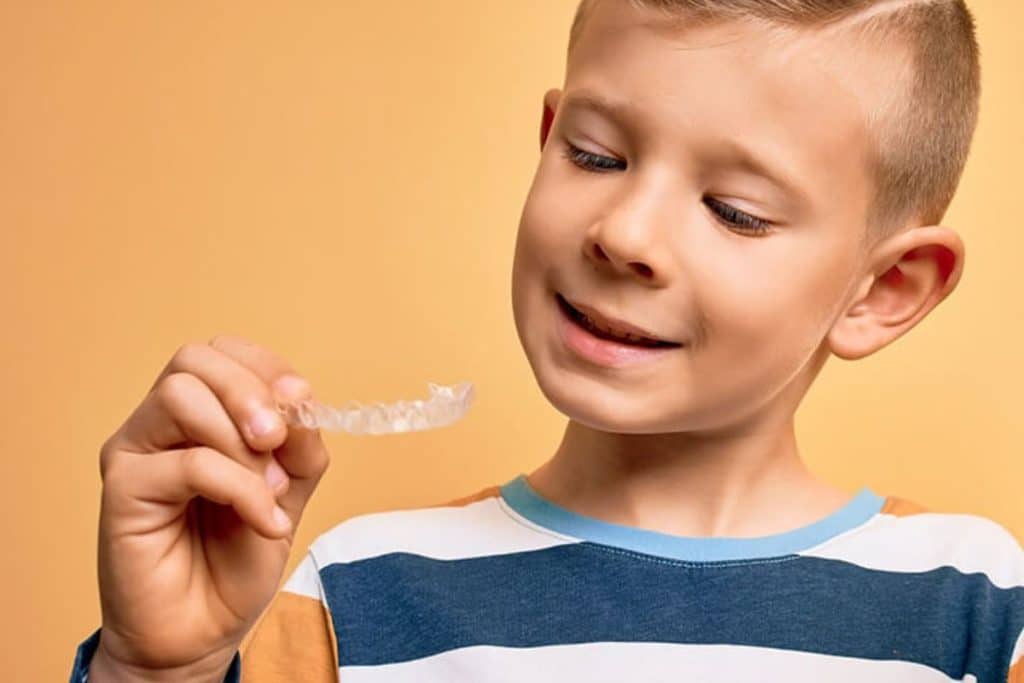
Can Kids Play Sports With Invisalign? Tips for Active Children
Soccer practice after school, basketball games on the weekend, and outdoor play with friends are all part of a busy kid’s life. But when your child starts orthodontic treatment, you may wonder whether wearing clear aligners will interfere with their favorite activities.
The good news is that children can often continue enjoying sports while undergoing treatment with clear aligners. With the right precautions and a consistent routine, your child can stay active while caring for their teeth.
For parents in Killeen and nearby communities, understanding how aligners work during sports can make orthodontic treatment easier to manage, whether your child plays on a school team or enjoys recreational activities.
Is Invisalign a Good Option for Kids Who Play Sports?
Invisalign for kids can be an option for some young patients who want to straighten their teeth without traditional braces. These clear, removable aligners are designed to fit over the teeth and gradually guide them into better alignment.
Because aligners can be removed for certain activities, they may offer flexibility for children with active schedules. However, suitability depends on your child’s age, dental development, orthodontic needs, and ability to follow the treatment instructions.
Before choosing this option, consult an orthodontic professional who can evaluate your child’s teeth and discuss whether clear aligners are appropriate.
Can Children Wear Aligners During Sports?
It depends on the sport and the risk of contact or facial injury.
For activities such as running, swimming, and noncontact fitness classes, children can generally follow their prescribed aligner routine. Contact sports, including football, basketball, soccer, and martial arts, require additional care.
Keep these tips in mind:
- Ask about a sports mouthguard: A properly fitted mouthguard helps protect teeth and soft tissues from sports-related injuries.
- Follow your orthodontist’s instructions: Ask whether your child should remove their aligners during a particular activity.
- Never assume aligners replace a mouthguard: Clear aligners are not designed to provide the protection of an athletic mouthguard.
- Plan for contact sports: Your orthodontic team can advise you on a suitable mouthguard and how to manage aligners during play.
The safest approach depends on your child’s sport, the possibility of facial contact, and the type of protective equipment recommended.
Tips for Keeping Aligners Safe During Practice
Children can get caught up in the excitement of a game and forget about their orthodontic routine. A little preparation can help prevent lost aligners and unnecessary interruptions.
Pack an Aligner Care Kit
Keep a small case and cleaning supplies in your child’s sports bag. Depending on their orthodontist’s recommendations, the kit may include:
- A clean aligner case
- A toothbrush and fluoride toothpaste
- A water bottle
- Supplies for cleaning aligners as directed
Remind your child to place removed aligners in their case rather than wrapping them in a napkin. Napkins are easily thrown away by mistake.
Stay Hydrated With Water
Water is a good choice during practices and games. Sugary sports drinks can leave sugar around the teeth, increasing the risk of cavities, particularly when oral hygiene is inconsistent.
If your child drinks a sugary beverage, follow the orthodontist’s guidance about cleaning their teeth and aligners before putting the trays back in.
Stick to the Prescribed Wear Schedule
Clear aligners generally need to be worn for most of the day, according to the treatment plan. Frequent or prolonged removal can interfere with progress.
Help your child build a routine around school, meals, practices, and bedtime. If a sport requires removing aligners, ask the orthodontic team how to handle the schedule without compromising treatment.
What If Your Child Gets Hit in the Mouth?
Sports injuries can happen even when children take precautions. If your child experiences a hit to the mouth, stop the activity and check for pain, bleeding, swelling, damaged teeth, or a broken orthodontic appliance.
Contact your dental or orthodontic provider promptly for guidance. A knocked-out permanent tooth, uncontrolled bleeding, or a serious facial injury needs urgent attention. Seek emergency medical care for severe injuries or symptoms such as difficulty breathing.
Do not force an aligner back into place if it is cracked, distorted, or causing pain. Your orthodontic provider can advise you on what to do next.
Helping Active Kids Build Healthy Orthodontic Habits
Between homework, school activities, practices, and games, children have plenty to remember. Parents can make aligner care easier by connecting it to habits that already exist.
Try these simple strategies:
- Keep the aligner case in the same place every day.
- Set reminders for changing trays when prescribed.
- Check that your child has their aligners before leaving home.
- Encourage brushing after meals before reinserting trays.
- Schedule orthodontic visits around school and sports commitments when possible.
If your child struggles to follow the routine independently, stay involved until these habits become more natural.
For families in Killeen, having an orthodontic team that understands the demands of school sports and extracurricular activities can help make treatment planning more manageable.
Frequently Asked Questions
Can my child play soccer while wearing clear aligners?
Many children can participate in soccer during orthodontic treatment. Because soccer involves possible facial contact, ask your orthodontist about mouthguard protection and whether aligners should be removed during play.
Should children remove aligners before playing contact sports?
The answer depends on the sport, mouthguard requirements, and your orthodontist’s instructions. Never assume aligners provide adequate protection from impact.
Can a sports mouthguard be worn over aligners?
Some mouthguards may not fit properly over aligners. Ask your orthodontic provider about an appropriate option that protects your child’s teeth and works with their treatment plan.
What should my child do if an aligner gets lost at practice?
Contact your orthodontic office for instructions. Your child should not automatically skip ahead to the next tray or leave the current tray out for an extended period without professional guidance.
Is clear aligner treatment suitable for every active child?
Not necessarily. Treatment suitability depends on dental development, the complexity of the orthodontic problem, and the child’s ability to wear and care for the aligners consistently. An orthodontic evaluation can help determine the right approach.
Keep Your Child Active While Protecting Their Progress
Sports teach children teamwork, discipline, and confidence. Orthodontic treatment should fit into their lives as safely and comfortably as possible, not keep them from enjoying the activities they love.
With proper mouthguard protection, a reliable aligner routine, and guidance tailored to your child’s needs, your family can make informed decisions about balancing sports and orthodontic care.
Solomon Orthodontics is here to help families explore orthodontic options that fit their children’s needs and everyday activities. Schedule an appointment today to discuss your child’s treatment goals and find out whether clear aligners are a suitable choice.