
Can You Pull Teeth Down With Invisalign?
Invisalign has become a popular alternative to traditional braces, offering a discreet and convenient way to straighten teeth. However, many people wonder whether Invisalign can achieve specific tooth movements, such as pulling teeth down, which orthodontists call tooth extrusion. Understanding how Invisalign works can help you decide if it is the right option for your smile.
Let’s look at how Invisalign moves teeth, what types of movements it can correct, and whether Invisalign treatment in Killeen can pull teeth down into the correct position.
Understanding How Invisalign Works
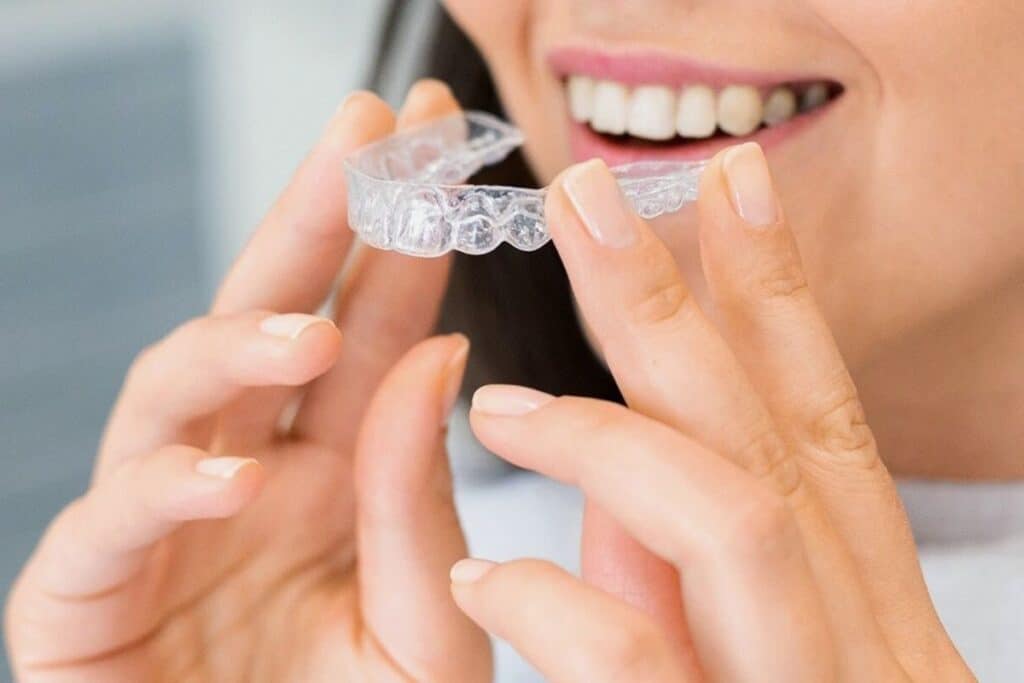
Invisalign treatment uses a series of clear, custom-made aligners that gradually move teeth into better alignment. Each aligner is designed using advanced digital planning to apply gentle and controlled pressure on certain teeth. Patients typically wear each set of aligners for about one to two weeks before switching to the next set. Over time, this gradual pressure shifts the teeth into the planned position.
The Role of Aligners in Tooth Movement
Aligners are created based on a digital scan of your teeth and a customized treatment plan designed by your orthodontist. Each aligner is slightly different from the previous one, allowing teeth to move step by step. The aligners should be worn about 20 to 22 hours per day. This consistent pressure helps guide the teeth into their new positions safely and effectively.
Types of Tooth Movements Invisalign Can Achieve
Invisalign is highly effective for correcting several common dental issues, including:
- Closing gaps between teeth
- Straightening crooked or crowded teeth
- Improving mild bite problems
- Aligning teeth that are slightly rotated
But many patients also ask whether Invisalign can perform more complex movements, such as pulling teeth downward into place.
Can Invisalign Pull Teeth Down?
Pulling a tooth down, also known as extrusion, requires controlled force in a specific direction. Invisalign can sometimes achieve this movement, depending on the severity of the case and the patient’s overall dental condition.
Extrusion With Invisalign
Extrusion is considered one of the more challenging tooth movements for clear aligners. However, improvements in Invisalign technology have made it possible in many cases.
Orthodontists often use attachments to assist with this movement. Attachments are small, tooth colored shapes placed on the teeth. These attachments help the aligners grip the teeth better and apply the necessary force to guide them downward.
Factors That Affect Success
Several factors determine whether Invisalign can successfully pull teeth down.
The amount of movement needed
Minor extrusion is usually possible with aligners. Larger movements may require braces.
Your dental structure
The position of the tooth, surrounding bone support, and gum health can influence how easily the tooth can move.
Treatment planning
An experienced orthodontist can design a treatment plan that maximizes the effectiveness of Invisalign.
A professional evaluation at Ricks Family Orthodontics can help determine whether aligners are suitable for your specific case.
Comparing Invisalign With Other Orthodontic Options
While Invisalign works well for many patients, it is helpful to compare it with other orthodontic treatments.
Invisalign vs Traditional Braces
Precision and control
Traditional braces use brackets and wires that allow orthodontists to apply constant pressure in multiple directions. This can make braces more effective for complex movements such as significant extrusion.
Appearance
Invisalign aligners are clear and removable, making them less noticeable during treatment.
Invisalign vs Other Clear Aligners
Not all clear aligner systems are the same. Invisalign uses specialized materials and advanced treatment planning software that can support a wider range of tooth movements compared to some other aligner brands.
Is Invisalign the Right Option for You?
The best orthodontic treatment depends on your individual dental needs and goals.
Who Is a Good Candidate for Invisalign?
Invisalign often works well for patients with mild to moderate alignment problems. Individuals who need small tooth adjustments, including minor extrusion, may benefit from aligner treatment.
When Braces May Be Recommended
Traditional braces may be a better choice when:
- Teeth require major movement
- Bite issues are more severe
- Significant extrusion is needed
Your orthodontist will evaluate your teeth carefully and recommend the most appropriate treatment option.
What to Expect During Invisalign Treatment
Knowing what the treatment process looks like can help you feel more prepared.
Initial Consultation
Your orthodontist will examine your teeth, review your dental history, and determine whether Invisalign is suitable for your case.
Treatment Planning
A digital 3D scan of your teeth is used to create a personalized treatment plan. This plan maps out the step-by-step movements your teeth will make during treatment.
Wearing the Aligners
Patients wear aligners most of the day, removing them only when eating, drinking beverages other than water, or brushing and flossing.
Progress Monitoring
Regular appointments allow your orthodontist to track progress and ensure that the teeth are moving correctly.
Tips for Successful Invisalign Treatment
Following a few simple habits can help improve your treatment results.
Wear aligners consistently
Aligners must be worn for the recommended amount of time each day.
Maintain good oral hygiene
Brushing and flossing regularly helps keep both your teeth and aligners clean.
Attend scheduled appointments
Regular visits allow your orthodontist to monitor progress and make adjustments if necessary.
Follow all instructions
Attachments, rubber bands, or other tools may be used to improve certain tooth movements.
FAQs
Can Invisalign move teeth vertically?
Yes, Invisalign can move teeth vertically in some cases. Attachments and careful treatment planning help guide teeth upward or downward when needed.
How long does Invisalign treatment usually take?
Treatment length varies depending on the complexity of the case. Many patients complete treatment within 12 to 18 months.
Do Invisalign attachments hurt?
Attachments are small and usually comfortable. Some patients feel slight pressure when aligners are first placed, but this usually fades within a few days.
Can Invisalign treat complex orthodontic problems?
Invisalign can treat many orthodontic concerns, but severe cases may still require traditional braces.
What happens if aligners are not worn enough?
If aligners are not worn consistently, tooth movement may slow down or stop. This can extend the overall treatment time.
Final Thoughts
Invisalign is an effective orthodontic treatment that can correct many alignment issues while offering a comfortable and discreet option. In some cases, it can also help pull teeth down into the correct position, especially when the movement required is small to moderate. However, the success of this type of movement depends on several factors, including the complexity of the case and the treatment plan created by your orthodontist.
If you are considering Invisalign, a professional evaluation can help determine whether it is the right approach for your smile goals. With the right guidance and consistent care, Invisalign can help you achieve a straighter and healthier smile.