
Understanding The Different Types Of Braces: Which One Is Right For You?
Braces play a crucial role in orthodontic treatment, helping to align your teeth and improve your oral health and smile. They are classified into several types, each with its own set of pros and disadvantages.
In this blog post, we’ll take a closer look at the different types of braces to help you determine which one is right for you.
Traditional Metal Braces
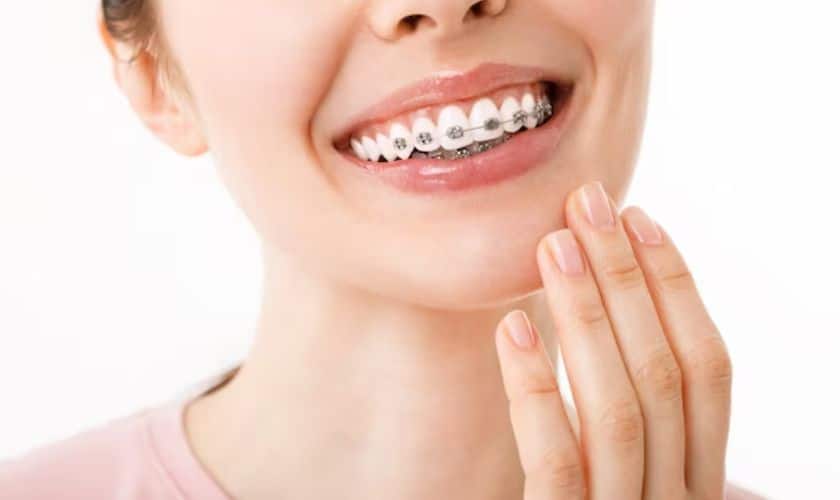
Description and Appearance: Traditional metal braces are the most recognizable type of braces. They consist of metal brackets attached to your teeth, connected by wires and held in place by rubber bands.
Pros And Cons:
- Pros: Effective at correcting even the most complex orthodontic issues. Durable and less prone to staining.
- Cons: Most noticeable type, can cause discomfort, and require regular adjustments.
Suitable For: Traditional metal braces are suitable for individuals of all ages, particularly those with severe orthodontic problems.
Ceramic Braces
Description and Appearance: Ceramic braces are similar in design to traditional metal braces but use tooth-colored or clear brackets and wires that blend in with your teeth.
Pros And Cons:
- Pros: Less noticeable than metal braces, making them a more aesthetically pleasing option. Effective in treating most orthodontic issues.
- Cons: More expensive than metal braces and can be prone to staining if not well-maintained.
Suitable For: Ceramic braces are a suitable choice for those who want a more discreet treatment option.
Lingual Braces
Description and Appearance: Lingual braces are positioned on the inside of your teeth, making them completely hidden from view.
Pros And Cons:
- Pros: Virtually invisible from the outside. Effective for a wide spectrum of orthodontic problems.
- Cons: Can be challenging to clean, and they may initially cause some speech difficulties.
Suitable For: Lingual braces are an excellent option for individuals who want a discreet treatment but may not be ideal for those with severe bite issues.
Invisalign
Description and Appearance: Invisalign is a system of clear, removable aligners custom-made for your teeth.
Pros And Cons:
- Pros: Virtually invisible and removable, allowing for easier cleaning and maintenance. Comfortable and convenient.
- Cons: Limited in treating severe orthodontic issues. Requires strict compliance with wear guidelines.
Suitable For: Invisalign is suitable for individuals with mild to moderate orthodontic problems who value aesthetics and convenience.
Self-Ligating Braces
Description and Appearance: Self-ligating braces work similarly to traditional braces but without the need for elastic bands to hold the wires in place.
Pros And Cons:
- Pros: Reduced friction and discomfort. Fewer changes are required, which can lead to speedier therapy.
- Cons: More expensive than traditional metal braces.
Suitable For: Self-ligating braces can be suitable for individuals seeking a more comfortable and potentially faster treatment option.
Factors To Consider When Choosing Braces
When deciding which type of braces is right for you, consider these factors:
- Cost: Evaluate your budget and the cost of each option.
- Treatment Duration: Consider how long you are willing to undergo treatment.
- Aesthetics: Think about your preference for a more discreet or visible option.
- Maintenance and Cleaning: Consider the level of maintenance each type of braces requires.
In conclusion, there are several types of braces to choose from, each with its own set of advantages and disadvantages. To determine which one is right for you, it’s essential to consult with an orthodontist who can evaluate your specific needs and preferences. Your orthodontist will help you make an informed decision to achieve a straighter, healthier smile. Don’t hesitate to take the first step towards a beautiful smile by consulting with a professional today.