
How Do Orthodontists Fix Flared Teeth?
Flared teeth can be a source of discomfort, both aesthetically and functionally. They often appear protruding or angled outward, impacting your smile and oral health. Orthodontists specialize in diagnosing and treating these issues. In this blog, we’ll explore what causes flared teeth, why they need correction, and the various treatment options available.
Understanding Flared Teeth
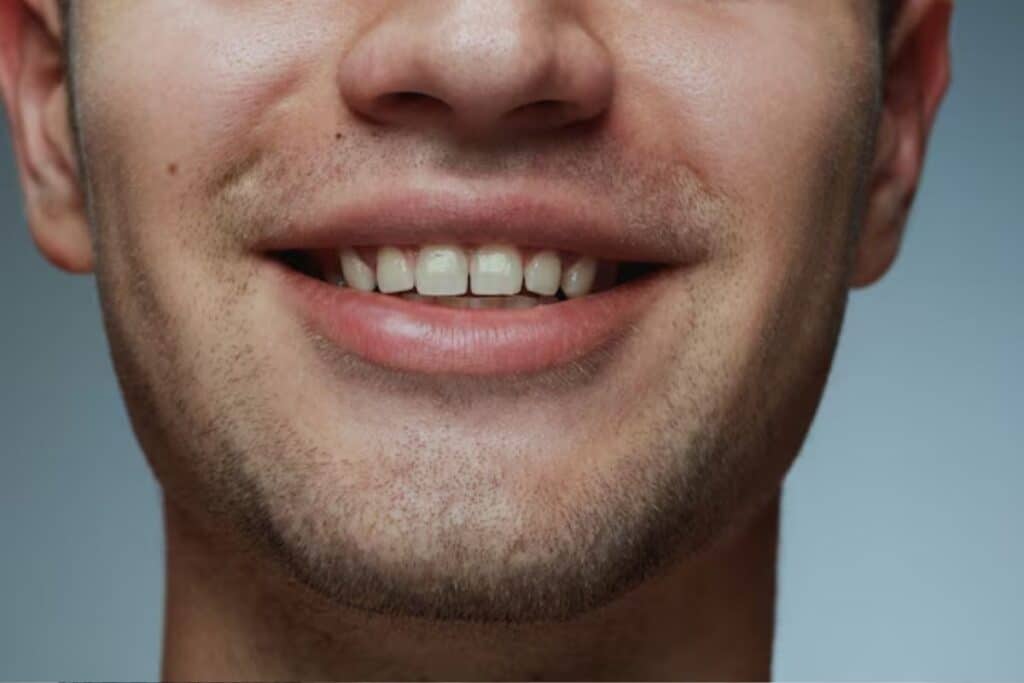
Flared teeth are teeth that project outward, often creating a gap or making them appear larger. They usually affect the front teeth (incisors) and can disrupt the overall alignment of your smile. Let’s look at the causes of flared teeth and the problems they may present.
Causes of Flared Teeth
- Overcrowding: When there isn’t enough space in your jaw, teeth may be pushed outward to accommodate all the teeth.
- Improper Orthodontic Treatment: Sometimes, improperly managed braces can cause flared teeth, especially if the patient didn’t wear retainers after treatment.
- Thumb Sucking: Habits like thumb sucking, particularly in childhood, can push the upper front teeth outward, resulting in flaring.
- Tongue Thrusting: If a person pushes their tongue against the teeth while swallowing, it can cause the front teeth to flare out over time.
- Genetics: In some cases, flared teeth are inherited. If family members have a similar dental structure, it’s possible you may also have flared teeth.
Why Fixing Flared Teeth Is Important
You might wonder if flared teeth are just a cosmetic issue or if there’s more to consider. The truth is that correcting flared teeth is about more than just enhancing your appearance.
The Impact of Flared Teeth
- Bite Issues: Flared teeth can lead to malocclusion, where the upper and lower teeth don’t meet properly. This can make chewing difficult and cause uneven wear on your teeth.
- Speech Problems: The position of your teeth affects how you pronounce certain sounds. Flared teeth can interfere with clear speech.
- Increased Risk of Injury: Protruding teeth are more prone to trauma. They’re at a higher risk of being chipped or damaged, especially during sports or accidents.
- Gum Health Issues: Flared teeth may cause gaps that make it easier for food particles to get trapped, increasing the risk of plaque buildup and gum disease.
How Orthodontists Fix Flared Teeth
Fixing flared teeth involves a customized treatment plan created by an orthodontist. The treatment will depend on the severity of the flare, the underlying cause, and the patient’s age and dental health. Here are the most common orthodontic methods for fixing flared teeth.
1. Traditional Braces
How They Work: Braces use metal brackets and wires to shift the teeth into the correct position gradually. The wires are adjusted periodically to guide the teeth inward, correcting the flare.
Who They’re For: Braces are suitable for both teenagers and adults. They are particularly effective for significant flaring and for patients who need comprehensive bite correction.
Pros and Cons:
- Pros: Highly effective for severe cases; addresses multiple alignment issues at once.
- Cons: Visible metal brackets; may cause discomfort initially.
2. Clear Aligners
How They Work: Clear aligners like Invisalign are custom-made trays that fit over the teeth and apply gentle pressure to move them into the desired position. They are less noticeable than braces and can be removed when eating or brushing.
Who They’re For: Clear aligners are ideal for mild to moderate flaring. They are popular among adults and teens who prefer a less visible treatment option.
Pros and Cons:
- Pros: Discreet appearance; removable; easier to maintain oral hygiene.
- Cons: May not be effective for severe cases; requires patient discipline to wear them consistently.
3. Palatal Expanders
How They Work: Palatal expanders are devices used to widen the upper jaw. They create more space, which can help align the teeth properly and reduce flaring.
Who They’re For: This treatment is most effective in children and teens whose jaws are still growing. It can help prevent the need for more invasive procedures later.
Pros and Cons:
- Pros: Non-invasive; can prevent the need for future extractions.
- Cons: Not suitable for adults; may cause temporary discomfort.
4. Retainers
How They Work: After orthodontic treatment, retainers help maintain the new position of the teeth. If flared teeth are detected early, a retainer may be used as a preventive measure.
Who They’re For: Retainers are for patients who have completed orthodontic treatment or those with mild flaring.
Pros and Cons:
- Pros: Helps maintain alignment; easy to wear.
- Cons: Requires consistent use; doesn’t correct severe cases.
5. Orthodontic Surgery
How It Works: In severe cases where braces or aligners aren’t sufficient, surgical intervention may be needed. This can involve repositioning the teeth or reshaping the jaw.
Who It’s For: This option is for adults with severe or complex dental issues that traditional orthodontic treatments cannot correct.
Pros and Cons:
- Pros: Effective for complex cases; provides long-term results.
- Cons: Invasive; involves a longer recovery time.
The Importance of Retainers After Treatment
Regardless of the treatment method, using a retainer afterward is crucial. Retainers help keep the teeth in their new, corrected position. Without a retainer, teeth may gradually shift back to their original position, undoing the progress made during treatment.
How Long Does It Take to Fix Flared Teeth?
The duration of treatment varies based on the severity of the flaring and the method chosen. On average:
- Braces: 12-24 months
- Clear Aligners: 6-18 months
- Palatal Expanders: 6-12 months
- Retainers: Long-term use as maintenance
Tips for Maintaining the Results
- Follow the Orthodontist’s Instructions: Wearing your retainer as instructed will help maintain the alignment of your teeth.
- Maintain Good Oral Hygiene: Brush and floss regularly to prevent plaque buildup, which can affect your teeth alignment.
- Regular Check-Ups: Visit your orthodontist for follow-up appointments to monitor your progress.
Conclusion
Flared teeth can affect both your appearance and your dental health, but effective solutions are available. Orthodontists offer a range of treatments that can help bring your teeth back into alignment, giving you a healthier, more confident smile. Whether you choose braces, aligners, or another option, following through with your treatment plan and post-treatment care is key to achieving lasting results.
If you’re concerned about flared teeth, consult an orthodontist to discuss the best treatment plan for your unique needs. With professional guidance, you can achieve a beautiful smile and improved oral health.