
How Does Invisalign Work for Children?
Invisalign has become a popular option for correcting dental issues in children, offering a less invasive and more aesthetically pleasing alternative to traditional braces. Many parents wonder how this treatment works, especially for younger patients. This blog will explain the process, benefits, and what to expect when considering Invisalign treatment for your child.
What Is Invisalign?
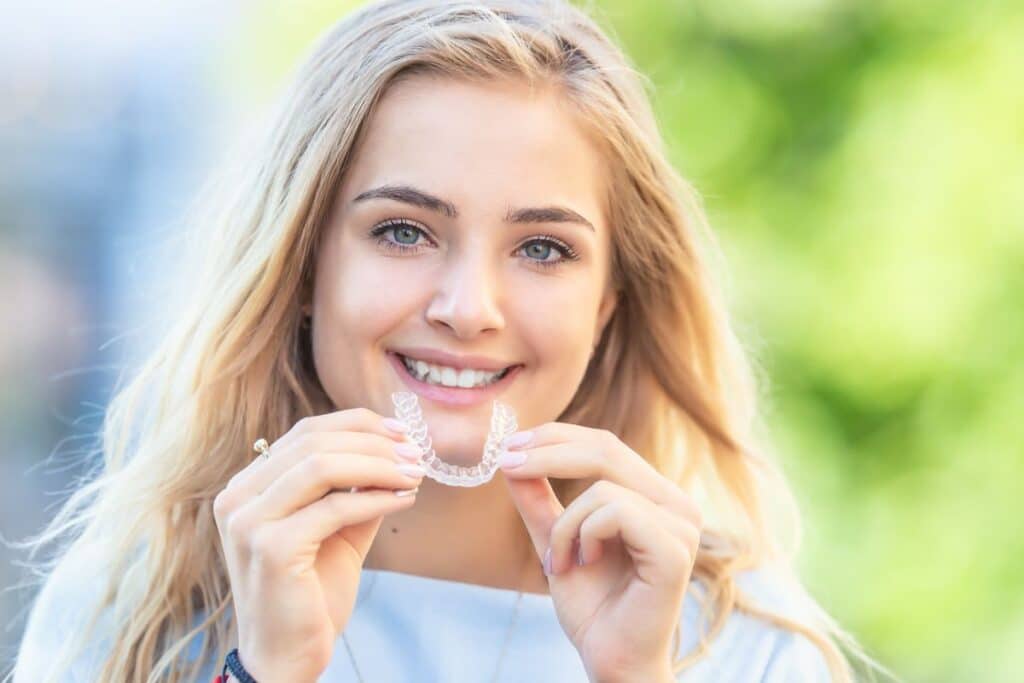
Invisalign is a type of orthodontic treatment that uses clear, removable aligners to straighten teeth gradually. Unlike traditional braces, which use metal brackets and wires, Invisalign aligners are made of smooth, transparent plastic, making them almost invisible. This treatment is particularly appealing to children who may feel self-conscious about wearing braces.
The Process of Invisalign Treatment for Children
Invisalign treatment for children follows a series of steps that ensure teeth alignment progresses smoothly and effectively. Here’s a breakdown of the process:
1. Initial Consultation with a Kids’ Orthodontist in Killeen
The first step is scheduling a consultation with a kids’ orthodontist in Killeen. During this visit, the orthodontist will assess whether your child is a suitable candidate for Invisalign. Some cases may be better suited for traditional braces, particularly if the dental issues are more severe. However, many children with mild to moderate alignment problems are good candidates for Invisalign.
2. Custom Treatment Plan
Once the orthodontist determines that Invisalign treatment is appropriate for your child, they will develop a custom treatment plan. Using 3D imaging technology, the orthodontist will create a digital model of your child’s teeth. This model is used to map out the precise movements of the teeth throughout the treatment. It also helps predict how long the treatment will take.
3. Creation of Aligners
Based on the 3D model, custom-made aligners are created for your child. Each aligner is slightly different, designed to move the teeth gradually into their correct positions. The aligners are typically made from a BPA-free plastic material that is both safe and comfortable for children to wear.
4. Wearing the Aligners
Your child will need to wear their aligners for 20 to 22 hours a day. This means they should only be removed when eating, drinking, brushing, or flossing. The aligners are designed to fit snugly over the teeth, and every one to two weeks, your child will switch to a new set of aligners that continues to adjust the teeth incrementally.
5. Regular Checkups
Throughout the Invisalign treatment, regular checkups with the orthodontist are necessary. These appointments, usually scheduled every 6 to 8 weeks, allow the orthodontist to monitor your child’s progress and ensure that everything is moving according to plan.
6. Completion of Treatment
Once the teeth have moved into their proper positions, the treatment is complete. However, like traditional braces, your child may need to wear a retainer to maintain their new smile and prevent the teeth from shifting back.
Benefits of Invisalign for Children
Invisalign offers several benefits that make it an attractive option for parents and children alike.
1. Aesthetic Appeal
One of Invisalign’s most significant advantages is its appearance. The clear aligners are virtually invisible, making them a discreet option for children who may feel self-conscious about wearing braces. This is particularly appealing for kids who are worried about how braces might affect their appearance during school or social events.
2. Comfort
Traditional braces can cause discomfort due to the metal brackets and wires, which may irritate the gums and cheeks. Invisalign aligners are smooth and comfortable, eliminating the need for sharp metal parts. Additionally, since the aligners are removable, your child can take them out during meals, reducing the risk of food getting stuck or causing discomfort.
3. Improved Oral Hygiene
Because Invisalign aligners are removable, maintaining good oral hygiene is easier. Your child can brush and floss their teeth normally without having to navigate around brackets and wires. This helps prevent issues like cavities and gum disease, which can be more challenging to avoid with traditional braces.
4. Fewer Dietary Restrictions
One of the major downsides of traditional braces is the list of foods your child must avoid, such as sticky, hard, or chewy foods. With Invisalign, there are no such restrictions. Since the aligners are removed during meals, your child can continue to enjoy their favorite foods without worrying about damaging their braces.
Is Invisalign Effective for Children?
While Invisalign is commonly used for adults, it has also proven to be effective for children, especially those who may have mild to moderate dental alignment issues. Invisalign’s technology allows for precise tooth movement, and with proper adherence to wearing the aligners, children can achieve results comparable to traditional braces.
However, it’s essential to note that Invisalign may not be suitable for every child. Complex dental issues or severe bite problems may require traditional braces. The orthodontist will evaluate your child’s specific needs to determine the best course of action.
Factors to Consider Before Choosing Invisalign
Before deciding whether Invisalign is right for your child, there are several factors to consider.
1. Compliance
Invisalign requires a high level of responsibility. Since the aligners are removable, your child must be diligent about wearing them for the recommended 20 to 22 hours a day. If they don’t wear the aligners consistently, the treatment may take longer or not produce the desired results. Parents should assess whether their child is responsible enough to manage this requirement.
2. Age and Dental Development
Invisalign is typically recommended for children whose permanent teeth have fully or mostly erupted. For younger children who still have baby teeth, traditional braces may be a better option. However, for older children and teens, Invisalign can be a great choice.
3. Cost
Invisalign tends to be more expensive than traditional braces, though the price can vary depending on the complexity of the treatment. Many dental insurance plans cover a portion of the cost, and orthodontists often offer payment plans to help make the treatment more affordable.
Conclusion
Invisalign is an excellent option for children who need orthodontic treatment but prefer a more comfortable, aesthetically pleasing alternative to braces. By following a custom treatment plan, wearing the aligners as instructed, and attending regular checkups with a kids’ orthodontist in Killeen, children can achieve a beautiful, straight smile with minimal disruption to their daily lives.
As with any dental treatment, it’s essential to consult with a qualified orthodontist to determine if Invisalign is the right solution for your child. With the right guidance and commitment, Invisalign can help your child achieve the smile they deserve.