
How Long Do Orthodontic Retainers Last? When It’s Time for a New One
You finished orthodontic treatment, your teeth are looking great, and life starts moving on. Then one day, your retainer feels tighter than usual—or you notice it no longer fits quite right. Sound familiar? A retainer may seem like a small part of orthodontic care, but it plays a big role in keeping your teeth in their new positions.
The truth is, retainers do not last forever. Their lifespan depends on the type of retainer, how often you wear it, how you clean it, and how carefully you handle it. Knowing when to replace yours can help prevent unwanted tooth movement and keep your orthodontic results on track.
Why Do You Need a Retainer After Orthodontic Treatment?
Teeth can naturally shift throughout life. After braces or clear aligners, the tissues and bone around your teeth need time to adjust to their new positions. A retainer helps hold those teeth in place while your mouth adapts.
Even after that adjustment period, regular retainer use may remain important. Changes in age, bite, tooth wear, and everyday habits can all contribute to gradual movement.
Think of your retainer as the maintenance step that protects the work you have already invested in.
How Long Does an Orthodontic Retainer Typically Last?
There is no single expiration date for every retainer. Different materials and designs have different lifespans.
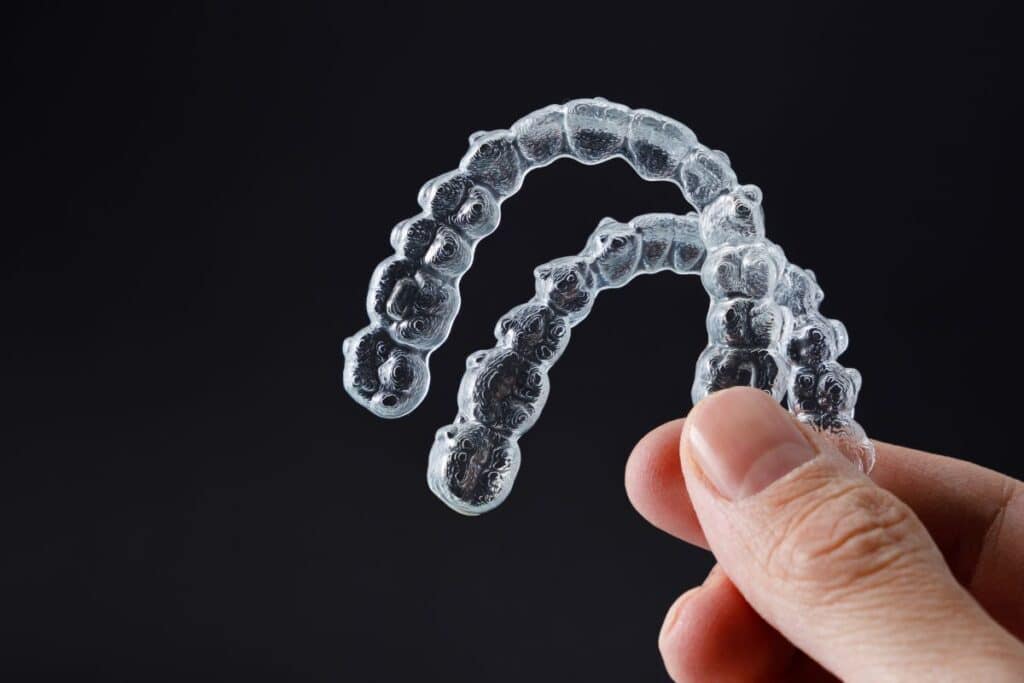
Clear plastic retainers: These are comfortable and discreet but can wear down, crack, become cloudy, or lose their shape with regular use.
Hawley retainers: Made with acrylic and a wire, these are generally durable and can sometimes last for years with proper care.
Fixed retainers: Bonded behind the teeth, these can remain in place for a long time but still require monitoring. The wire or bonding can eventually loosen or break.
Your orthodontic team can evaluate the condition of your retainer and determine whether it is still providing a proper fit.
Signs You May Need a New Retainer
Not sure whether yours is ready for replacement? Watch for these common signs:
- It feels unusually tight or loose. A noticeable change in fit may indicate that the retainer or your teeth have changed.
- You see cracks or damage. Even a small crack can affect how effectively the retainer holds your teeth.
- The plastic looks worn or distorted. Heat, repeated use, and everyday wear can affect clear retainers.
- It no longer seats completely. A retainer that does not fit over your teeth properly should not be forced into place.
- It causes unexpected discomfort. Persistent pressure or irritation deserves professional attention.
- Your teeth appear to be shifting. Small changes can become more noticeable over time if the retainer is no longer fitting correctly.
- Your fixed retainer feels loose. If the wire has detached from a tooth, contact your orthodontist rather than trying to fix it yourself.
If you notice any of these issues, orthodontist retainer replacement may be recommended to restore a secure fit and help protect your orthodontic results.
What Can Shorten a Retainer’s Lifespan?
Your retainer may wear out faster depending on how it is used. Common causes include:
- Storing it loose in a purse, backpack, or pocket
- Leaving it where pets can chew it
- Cleaning it with very hot water
- Using harsh cleaning products
- Biting down on a removable retainer to force it into place
- Wearing a damaged retainer without having it checked
- Skipping recommended cleaning and maintenance
A little care can go a long way. Keep your retainer in its protective case whenever you are not wearing it and clean it according to your orthodontist’s instructions.
What Should You Do If Your Retainer No Longer Fits?
First, do not force it. If the retainer is difficult to insert, causes significant discomfort, or appears distorted, contact your orthodontist.
Your orthodontist may recommend a new retainer or evaluate whether your teeth have shifted. In some situations, additional orthodontic treatment may be necessary before a new retainer is made.
For patients in the local community, staying proactive can make this process much easier. Whether you are returning for a routine orthodontic check or need help with a damaged retainer, an appointment gives your orthodontic team a chance to catch changes before they become more complicated.
How to Make Your Retainer Last Longer
Want to get more life from your retainer? Build these simple habits into your routine:
- Keep it in its case when it is not in your mouth.
- Clean it regularly using the recommended method.
- Avoid hot water that could change its shape.
- Never leave it within reach of pets.
- Bring it to orthodontic appointments for inspection.
- Follow your prescribed wear schedule.
- Replace it when your orthodontist recommends doing so.
These habits are especially helpful for busy families juggling school, work, sports, and everyday activities. A consistent routine makes retainer care much easier to remember.
Frequently Asked Questions
Can I keep wearing an old retainer if it still fits?
Possibly, but age alone does not determine whether a retainer is still effective. Your orthodontist should check its condition and fit, particularly if it has visible wear or damage.
What happens if I stop wearing my retainer?
Your teeth may gradually move. How quickly this happens varies from person to person, but consistent retainer wear is important for maintaining orthodontic results.
Can a retainer be repaired instead of replaced?
Sometimes. It depends on the type and extent of the damage. Your orthodontist can determine whether repair is appropriate or whether a replacement is safer and more effective.
Why does my retainer suddenly feel tight?
A tight retainer can be a sign that your teeth have shifted or that the retainer has changed shape. Do not force it into place. Contact your orthodontic office for guidance.
How often should my retainer be checked?
Your orthodontist can recommend an appropriate schedule based on your treatment history, retainer type, and individual needs. Bring your retainer to appointments so its fit and condition can be evaluated.
Keep Your Orthodontic Results on Track
Completing orthodontic treatment is a major milestone, but maintaining your results takes ongoing care. A well-fitting orthodontist retainer can help keep your teeth where they belong, while timely replacement can prevent a worn or damaged appliance from becoming a bigger concern.
If your retainer feels different, looks damaged, or simply seems past its best, now is a good time to have it checked. Solomon Orthodontics is here to help you protect your orthodontic results with personalized retainer care. Schedule an appointment today and give your retainer—and your teeth—the attention they deserve.