
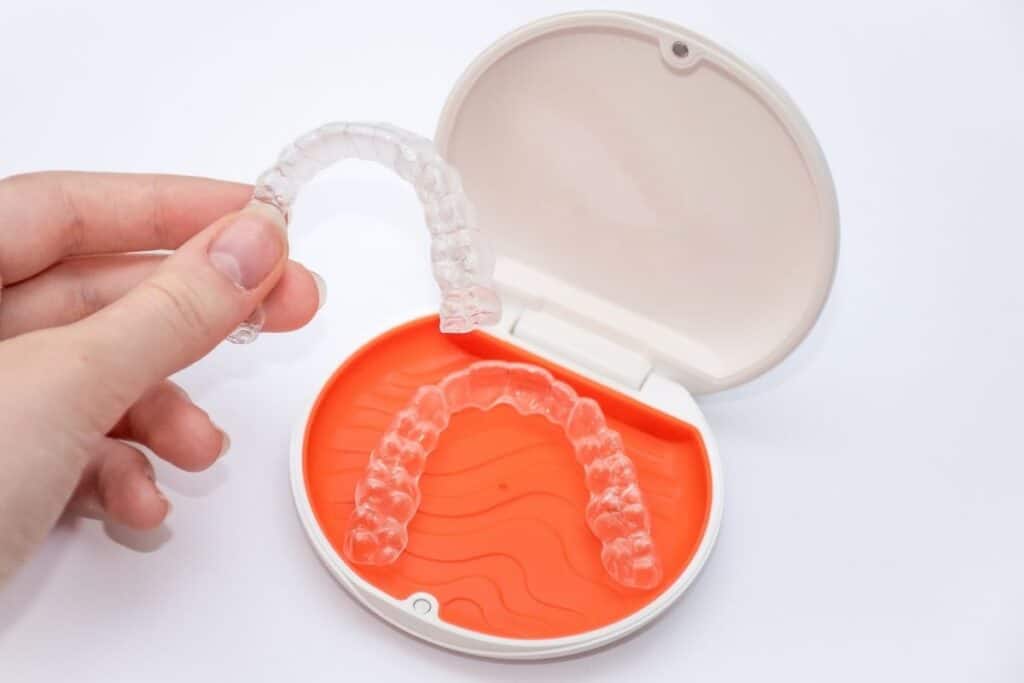
How to Fix a Cracked Retainer at Home: What You Can Safely Do
A cracked retainer can turn a normal night of orthodontic care into an unexpected problem. One moment, your retainer is fitting comfortably; the next, you notice a split, sharp edge, or piece that no longer feels right. Your first thought may be, “Can I fix this myself?”
The good news is that there are a few safe things you can do at home while arranging professional care. The important part is knowing what not to do. A quick DIY repair may seem convenient, but changing the shape of your retainer can affect how your teeth are held in place.
What Should You Do When Your Retainer Cracks?
If you are wondering how to fix a cracked retainer at home, start by avoiding any attempt to glue, melt, bend, or reshape it. Retainers are custom-made to fit your teeth precisely, and even a small change can affect their fit.
Instead, take a close look at the damage and consider these safe steps:
- Remove the retainer if it feels sharp, painful, or unstable.
- Rinse it gently with cool or lukewarm water.
- Keep all pieces if the retainer has broken apart.
- Place it safely in its case so it does not become damaged further.
- Contact your orthodontist and explain what happened.
- If you have a backup retainer, ask your orthodontic team whether it is appropriate to wear it temporarily.
The right solution depends on the type of retainer and where the damage occurred.
Can You Repair a Cracked Retainer Yourself?
Generally, retainer repair is not a good DIY project.
Household glue, super glue, heated tools, nail files, scissors, or other makeshift solutions can damage the material or create rough surfaces that irritate your gums, cheeks, or tongue. More importantly, a repaired retainer may no longer hold your teeth in the position your orthodontist intended.
A small crack in a Hawley retainer may sometimes be professionally repaired, while a damaged clear plastic retainer may be better replaced. Fixed retainers with a loose or broken wire also need professional attention.
What You Can Safely Do at Home
Until you can speak with your orthodontic team, focus on protecting the retainer and your teeth rather than trying to repair the appliance.
Check the Retainer Carefully
Look for cracks, broken wires, sharp edges, missing pieces, or areas that have become distorted. If the retainer looks different from its original shape, do not try to force it back into position.
Stop Wearing It If It Causes Problems
If wearing the damaged retainer causes pain, cuts your gums, feels unusually tight, or does not sit properly, take it out and contact your orthodontist. Continuing to wear a damaged appliance can create unnecessary irritation and may interfere with proper tooth positioning.
Keep It Protected
Store the retainer in its protective case. Avoid leaving it on a countertop, wrapped in a napkin, or somewhere it can easily be stepped on or thrown away.
Keep It Away From Heat
Hot water and other heat sources can distort clear plastic retainers. Clean yours gently with cool or lukewarm water unless your orthodontist has given you different instructions.
Contact Your Orthodontist Promptly
Even if the crack seems minor, let your orthodontist determine whether the retainer can be repaired or needs replacement. Acting quickly can help reduce the chance of unwanted tooth movement.
Why You Shouldn’t Ignore a Damaged Retainer
Retainers are designed to maintain the position of your teeth after orthodontic treatment. Without proper retention, teeth can gradually shift, potentially affecting the results you worked hard to achieve.
A cracked retainer may also:
- Stop fitting correctly
- Become uncomfortable to wear
- Develop sharp or rough edges
- Break further during use
- Lose its ability to hold teeth properly
That is why replacing or professionally repairing a damaged retainer is usually safer than trying to create a temporary fix yourself.
What If Your Retainer Breaks at Night or on the Weekend?
Don’t panic. If there is no severe pain or injury, protect the damaged appliance and contact your orthodontist when the office is available.
If you have recently completed orthodontic treatment, it is especially important not to leave a retainer problem unattended for an extended period. Your teeth may begin moving when they are no longer being properly retained.
Families in Killeen and Salado, Texas, can turn to their local orthodontic team for guidance when a retainer cracks, breaks, or no longer fits properly. Solomon Orthodontics serves both communities and provides customized retention care for patients following orthodontic treatment.
How to Prevent Your Retainer From Cracking
A little care can help your retainer last longer.
- Always handle removable retainers carefully.
- Use both hands when taking them out if recommended by your orthodontist.
- Store the appliance in its case when it is not being worn.
- Never leave it where pets can reach it.
- Avoid exposing clear retainers to hot water.
- Clean the retainer gently rather than scrubbing aggressively.
- Follow the wearing schedule provided by your orthodontist.
- Bring your retainer to appointments so its condition can be checked.
These simple habits can help protect both your appliance and your orthodontic results.
Frequently Asked Questions
Can I glue my cracked retainer back together?
No. Household adhesives can damage the retainer material and may introduce substances that are not appropriate for use inside your mouth. Contact your orthodontist instead.
Can I still wear a cracked retainer?
It depends on the location and severity of the damage. If it feels sharp, painful, distorted, loose, or does not fit correctly, stop wearing it and ask your orthodontist what to do.
Is a cracked clear retainer repairable?
Clear plastic retainers are often difficult to repair without affecting their precise fit. Depending on the damage, your orthodontist may recommend a replacement rather than a repair.
What happens if I don’t wear my retainer while waiting for a replacement?
Your teeth may begin to shift when they are not properly retained. How quickly this happens varies from person to person, so it is best to contact your orthodontist promptly rather than waiting for the problem to resolve on its own.
Can an orthodontist make a new retainer if mine is broken?
Yes. An orthodontist can evaluate your teeth and determine whether repair or replacement is appropriate. A new retainer may be made using updated impressions or a digital scan, depending on your situation.
Don’t Let a Small Crack Become a Bigger Orthodontic Problem
A damaged retainer can be frustrating, but you don’t have to solve it with a risky home repair. Protect the appliance, avoid DIY fixes, and get professional guidance before putting it back in your mouth.
If you’re in the Killeen or Salado area and need help with a cracked, broken, or uncomfortable retainer, Solomon Orthodontics is ready to help you determine whether repair or replacement is the right next step. Schedule an appointment today and protect the results of your orthodontic treatment.