
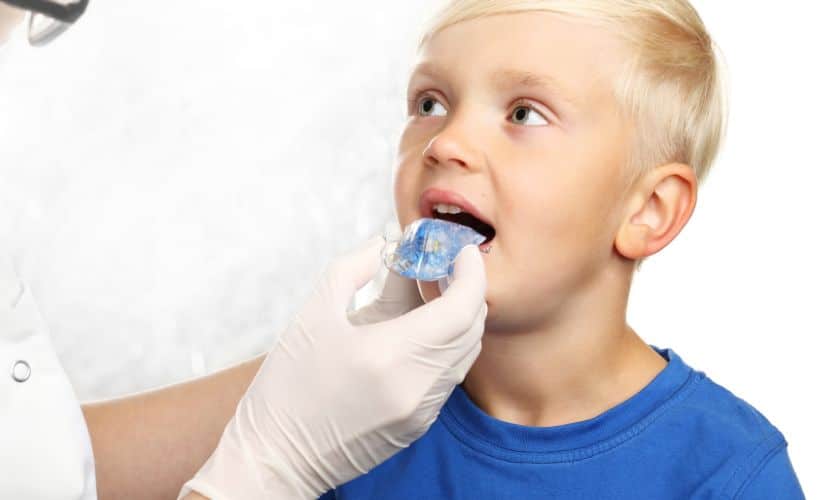
Signs You Should Take Your Child to an Orthodontist
Ensuring your child’s dental health is crucial for their overall well-being. While regular visits to the dentist are essential, there are times when your child may need specialized care from an orthodontist. Identifying the signs early can help prevent more significant issues down the road. Here’s a comprehensive guide on when you should consider taking your child to an orthodontist.
Why Orthodontic Care is Important for Children
Orthodontic care isn’t just about achieving a beautiful smile; it’s about correcting dental issues that could affect your child’s oral health long-term. Early intervention by an orthodontist can:
- Prevent or reduce the severity of orthodontic issues.
- Help guide the growth of jawbones.
- Improve oral function and health.
- Boost your child’s confidence and self-esteem.
Signs Your Child Needs to See an Orthodontist
Early or Late Loss of Baby Teeth
Children typically lose their baby teeth in a specific sequence and time frame. If your child loses their baby teeth earlier or later than expected, it could indicate underlying dental issues. An orthodontist can assess and determine if there’s a need for early intervention.
Difficulty in Chewing or Biting
If your child struggles with chewing or biting food, it could be due to misaligned teeth or jaw problems. Difficulty in these areas may indicate a need for orthodontic treatment to correct the bite and ensure proper oral function.
Mouth Breathing
Mouth breathing, especially during sleep, can be a sign of dental or orthodontic problems. It often indicates an issue with the alignment of the jaw or teeth that might need correction.
Prolonged Thumb Sucking
Thumb sucking is a natural habit for infants, but if it continues beyond the age of 4, it can lead to dental problems such as misaligned teeth and bite issues. An orthodontist can help address these issues early.
Crowded or Misplaced Teeth
Crowded or overlapping teeth are a clear sign that your child may need orthodontic care. If there isn’t enough space in the mouth for the permanent teeth to come in properly, an orthodontist can plan for treatments like braces to correct the alignment.
Jaws that Shift or Make Sounds
If you notice that your child’s jaws shift, make sounds, or seem misaligned when they open or close their mouth, it could indicate a temporomandibular joint (TMJ) disorder. An orthodontist can evaluate and treat these issues.
Difficulty Speaking
Speech difficulties can sometimes be linked to dental issues. If your child has trouble pronouncing certain sounds, it might be due to the positioning of their teeth. Orthodontic treatment can help improve their speech.
Teeth Grinding or Clenching
Teeth grinding (bruxism) can cause significant wear and damage to the teeth. It’s often a sign of stress or misalignment of the teeth or jaw. An orthodontist can provide solutions to prevent further damage and address the underlying cause.
Benefits of Early Orthodontic Intervention
Visiting a kids’ orthodontist in Killeen at the right time can provide numerous benefits, including:
- Preventing Future Problems: Early intervention can prevent more severe issues from developing, saving time and money on extensive treatments later.
- Guiding Jaw Growth: Orthodontists can use devices to guide jaw growth and ensure that the jaws align correctly, promoting better facial symmetry and function.
- Reducing Treatment Time: Addressing orthodontic issues early can reduce the amount of time your child needs to wear braces or other corrective devices.
When to Schedule the First Orthodontic Visit
The American Association of Orthodontists recommends that children have their first orthodontic evaluation by the age of 7. By this age, enough permanent teeth have emerged to identify potential problems. Early detection allows for timely intervention, which can be less invasive and more effective.
What to Expect During the First Visit
Initial Examination
During the first visit to a kids’ orthodontist in Killeen, the orthodontist will conduct a thorough examination of your child’s teeth, jaws, and bite. They may take X-rays and photographs to get a complete picture of your child’s oral health.
Discussion of Treatment Options
Based on the examination, the orthodontist will discuss any potential issues and recommend a treatment plan if necessary. This plan could include braces, retainers, or other orthodontic devices designed to correct the identified problems.
Customized Treatment Plan
Every child is different, and so is their treatment plan. The orthodontist will tailor the treatment to meet your child’s specific needs, ensuring the best possible outcome.
Maintaining Orthodontic Health
Once your child starts orthodontic treatment, maintaining good oral hygiene becomes even more important. Regular brushing and flossing, along with routine visits to the kids’ orthodontist in Killeen, will help ensure that the treatment progresses smoothly and effectively.
Tips for Good Oral Hygiene
- Brushing: Encourage your child to brush their teeth at least twice a day, using a soft-bristled toothbrush and fluoride toothpaste.
- Flossing: Daily flossing helps remove food particles and plaque between the teeth and the gum line.
- Diet: Avoid sugary and sticky foods that can contribute to tooth decay and damage orthodontic devices.
- Regular Check-Ups: Keep regular appointments with both the dentist and the orthodontist to monitor progress and address any issues promptly.
Recognizing the signs your child needs to see an orthodontist can significantly impact their oral health and overall well-being. Early intervention by a kids’ orthodontist in Killeen can help prevent more severe problems, guide proper jaw growth, and improve your child’s confidence. If you notice any of the signs mentioned, schedule a consultation to ensure your child’s smile remains healthy and bright for years.