
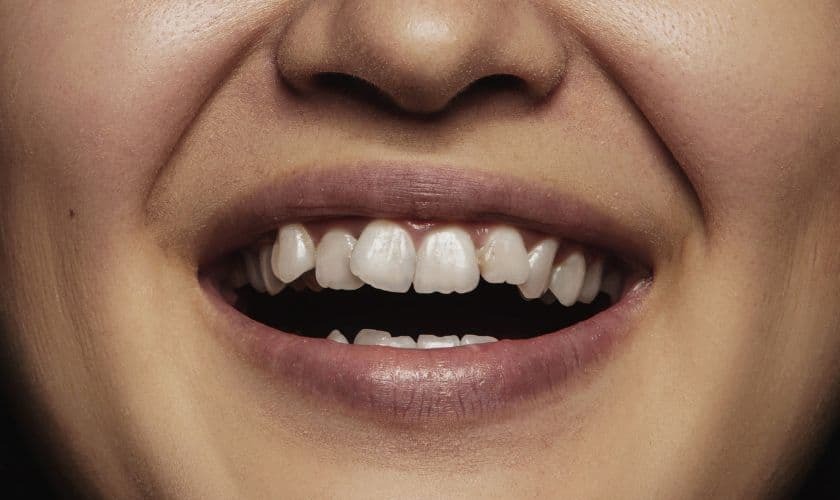
7 Symptoms Of An Open Bite
Are you suffering from a misaligned jaw or difficulty chewing your food properly? You might be experiencing an open bite, a dental condition that affects many people worldwide. An open bite occurs when the upper and lower teeth don’t meet correctly when the mouth is closed, causing several problems like speech difficulties, sleep apnea, and even self-esteem issues. In this blog post, we’ll discuss seven common symptoms of an open bite and how to prevent it from happening to you. So keep reading to learn more!
What is an Open Bite?
An open bite is a dental condition that occurs when the upper and lower teeth don’t meet correctly when the mouth is closed. This is typically caused by a misaligned jaw or abnormal growth of the facial bones. People with an open bite can experience several problems, including difficulty biting and chewing food properly.
One type of open bite called an anterior open bite, affects the front teeth, causing them to protrude outwardly, making it difficult to completely close your lips. Another type of open bite called a posterior open bite involves only the back teeth, leaving space between them.
Open bites could also be caused by bad habits like thumb sucking or tongue thrusting during childhood development stages. In some cases, genetics may play a role in developing an open bit.
If you have an open bite, consult your dentist for advice on how to best deal with it before any further complications arise from this condition.
Causes of an Open Bite
An open bite is a dental condition that can make it difficult for people to eat or speak properly. There are many causes of an open bite, including genetics, thumb-sucking during childhood, and incorrect tongue posture.
Genetics plays a significant role in the development of an open bite. If there is a family history of this condition, then children are at higher risk of developing it as well. In some cases, even if the child does not have any genetic predisposition towards an open bite, they may still develop one due to certain habits.
One such habit is thumb-sucking during childhood. This habit can put pressure on your teeth and jawbone, which may lead to misalignment and eventually cause an open bite over time. Other similar habits, like pacifier use or bottle feeding beyond infancy, can also contribute to this condition.
Incorrect tongue posture is another common cause of an open bite. When someone swallows incorrectly or has poor tongue placement while speaking or resting their mouth muscles, it affects how their teeth come together, causing them not to meet correctly when closed.
Other factors that contribute include prolonged use of braces or other orthodontic treatment plans that do not address the underlying problem; trauma caused by accidents leading to broken jaws; congenital disorders such as Beckwith-Wiedemann Syndrome (BWS), Crouzon Syndrome among others; neuromuscular conditions affecting facial muscles involved in chewing and swallowing processes like muscular dystrophy, etc.
It’s important for individuals who experience symptoms related to an open bite to consult with their dentist immediately so appropriate interventions can be made early enough before further damage occurs.
7 Symptoms of an Open Bite
An open bite is a dental condition where the upper and lower teeth do not meet when the mouth is closed. This can cause several problems, such as difficulty chewing, speech impairment, and even emotional distress.
Here are seven symptoms that could indicate an open bite:
1) Difficulty biting into food – If you have trouble biting into sandwiches or apples, it may be due to an open bite.
2) Speech difficulties – An open bite can make it difficult to pronounce certain words or sounds properly.
3) Mouth breathing – People with an open bite may breathe through their mouths instead of their noses.
4) Jaw pain and headaches – The misalignment caused by an open bite can lead to jaw pain and headaches.
5) Teeth grinding (bruxism) – Open bites can cause people to grind their teeth at night while they sleep.
6) Tongue thrusting – Some people with open bites push their tongues against their teeth when swallowing or speaking, which can further worsen the condition.
7) Self-consciousness about appearance- An obvious gap between your front teeth when you smile could be a sign of having an anterior type of malocclusion called an “anterior open bite.”.
If you’re experiencing any of these symptoms, it’s important to consult a dentist for diagnosis and treatment options.
How to Prevent an Open Bite
Preventing an open bite involves a combination of good oral hygiene practices and being mindful of certain habits. One important step is to maintain good posture, especially during activities like reading or using electronic devices. This helps to avoid placing excessive pressure on the jaw and teeth.
Another helpful habit is to avoid biting on non-food items like pens, pencils, or nails. These actions can cause unnecessary stress on the teeth and contribute to an open bite over time.
Additionally, regular visits with a dentist or orthodontist can help detect issues early on before they develop into more serious problems. They may recommend braces or other corrective measures if necessary.
Maintaining a healthy diet that includes foods rich in calcium and vitamin D can also promote strong teeth and prevent dental issues from arising.
It’s important to be aware of any grinding or clenching habits, as these can also lead to an open bite. Wearing a mouthguard at night or managing stress through relaxation techniques could help alleviate these behaviors.
By taking proactive steps towards prevention, individuals can reduce their risk of developing an open bite while promoting overall dental health.
Summary
An open bite is a dental condition that can affect the proper functioning of your mouth and cause several issues, such as difficulty chewing, speaking, or even breathing. It is essential to take note of the symptoms mentioned above and seek immediate medical attention when necessary.
Preventing an open bite involves addressing its causes, such as thumb-sucking or tongue-thrusting habits developed during childhood. Maintaining good oral hygiene practices and regularly visiting the dentist can also help prevent this condition.
If you suspect that you have an open bite or any other dental issue, it’s crucial to consult with a dental professional for advice on prevention, diagnosis, and treatment options. Remember, taking care of your teeth plays a significant role in maintaining overall health and well-being.