
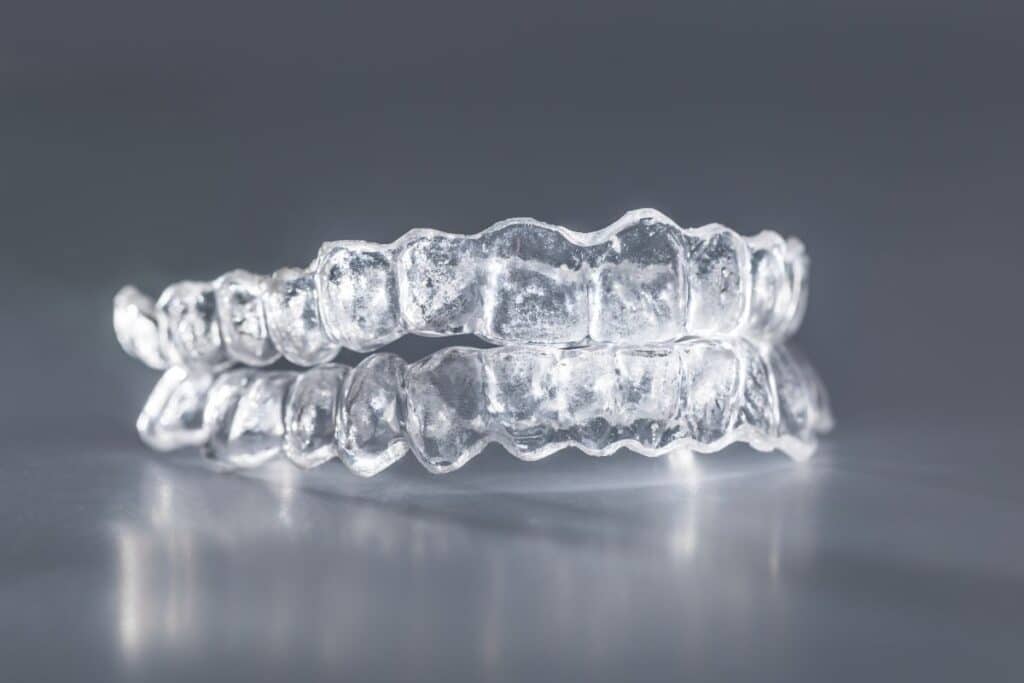
Tips for How to Get the Most Out of Invisalign
Invisalign is a popular orthodontic treatment option for achieving a straighter smile without the hassle of traditional braces. Its clear aligners are discreet, comfortable, and highly effective—if you follow the recommended steps to maximize your results. Here’s a guide to help you get the most out of your Invisalign journey and achieve your dream smile.
1. Wear Your Aligners for the Recommended Time
For Invisalign to work effectively, you must wear your aligners for 20–22 hours per day. This means you’ll only remove them when eating, drinking (anything other than water), or brushing your teeth. Wearing them for less than the recommended time can delay your progress and extend your treatment duration.
Tip: Set a timer when you take out your aligners to ensure you remember to put them back in promptly.
2. Clean Your Aligners Daily
Keeping your aligners clean is critical for maintaining oral hygiene and preventing discoloration.
- Rinse your aligners with lukewarm water every time you remove them.
- Use a soft-bristled toothbrush and clear, unscented soap to gently clean them daily.
- Avoid using hot water, as it can warp the aligners.
Pro Tip: Consider Invisalign cleaning crystals or a similar product to deep-clean your aligners periodically.
3. Stick to Your Aligner Schedule
Switching to a new set of aligners is a key part of Invisalign treatment. Typically, your dentist or orthodontist will advise changing to a new set every 1–2 weeks. Following this schedule is crucial to keep your treatment on track.
Tip: Use a calendar or a mobile app to track your aligner schedule and set reminders for when it’s time to change to a new set.
4. Maintain Excellent Oral Hygiene
Since your aligners fit snugly over your teeth, any trapped food particles can lead to cavities, bad breath, or gum issues. Brush and floss after every meal before reinserting your aligners.
Quick Tips:
- Carry a travel-sized toothbrush, toothpaste, and floss with you.
- Rinse your mouth thoroughly with water if brushing isn’t possible right away.
5. Monitor Your Diet
While you can eat anything with Invisalign, it’s essential to follow certain dietary precautions:
- Avoid eating or drinking with your aligners in. Always remove them to prevent staining and damage.
- Limit sticky, sugary, or acidic foods, as they can harm your teeth and make cleaning more difficult.
- Drink plenty of water to keep your mouth hydrated.
6. Use Chewies for a Better Fit
Chewies are small, rubbery tools that help ensure your aligners fit snugly against your teeth. Chewing on them for a few minutes daily can improve your aligner’s effectiveness by reducing gaps and ensuring optimal pressure is applied.
Pro Tip: Ask your orthodontist for a supply of chewies or purchase them online.
7. Be Patient with the Adjustment Period
When you first start Invisalign or switch to a new set of aligners, you may experience slight discomfort or pressure. This is a sign that the aligners are working! Use over-the-counter pain relievers or apply a cold compress if needed.
Reminder: The discomfort usually subsides after the first few days of wearing a new aligner.
8. Stay in Touch with Your Orthodontist
Regular check-ins with your orthodontist are vital to ensure your treatment progresses as planned. Don’t hesitate to ask questions or share concerns during these appointments.
Tip: If an aligner feels uncomfortable or doesn’t fit properly, contact your orthodontist immediately.
9. Protect Your Aligners
Accidents happen, but taking care of your aligners can prevent unnecessary setbacks.
- Store your aligners in their case when not in use to avoid misplacing or damaging them.
- Keep your aligners away from pets, as they may chew on them.
- If you lose or break a set, contact your orthodontist right away for a replacement.
10. Stay Committed to the Process
The Invisalign journey requires commitment and consistency. Skipping steps or not following the guidelines can result in longer treatment times or less effective results. Keep your end goal in mind: a beautifully aligned smile.
11. Don’t Skip Retainers After Treatment
After completing your Invisalign treatment, wearing retainers is crucial to maintaining your results. Teeth have a natural tendency to shift back to their original positions, and retainers help prevent this.
Tip: Follow your orthodontist’s instructions on how long and how often to wear your retainers.
Final Thoughts
Invisalign offers a convenient and effective way to straighten your teeth, but your success depends largely on how well you adhere to the treatment plan. By following these tips, staying consistent, and communicating with your orthodontist, you’ll be well on your way to achieving a healthy, confident smile.
If you’re ready to start your Invisalign journey, consult an experienced orthodontist to discuss your treatment options. A straighter smile is just a few aligners away!
Frequently Asked Questions About Invisalign
1. How many hours a day should I wear Invisalign aligners?
You should generally wear your Invisalign aligners for about 20–22 hours each day. Remove them only when eating, drinking anything besides water, brushing, and flossing. Consistent wear helps keep your Invisalign treatment on schedule.
2. How do I keep my Invisalign aligners clean?
Rinse your aligners with lukewarm water whenever you remove them and gently clean them each day with a soft-bristled toothbrush and clear, unscented soap. Avoid hot water because it can damage or warp the aligners.
3. Can I eat while wearing Invisalign aligners?
You should remove your Invisalign aligners before eating or drinking anything other than water. Removing them helps prevent staining and damage. Maintaining good oral hygiene after meals also helps reduce the risk of cavities and gum problems during treatment.
4. What should I do if my Invisalign aligner does not fit properly?
If an aligner feels unusually uncomfortable, does not fit correctly, or you notice significant gaps between the aligner and your teeth, contact your orthodontist. Your orthodontist can determine whether the aligner is fitting as expected and recommend the appropriate next step.
5. Do I need to wear retainers after Invisalign treatment?
Yes. Retainers are an important part of maintaining your results after Invisalign treatment. Teeth can naturally shift over time, so wearing your retainers as instructed by your orthodontist can help keep your teeth in their new positions.