
Will My Diet Change During Invisalign Treatment?
Invisalign has transformed the world of orthodontics, offering patients a more comfortable and nearly invisible alternative to traditional braces. One of the common concerns patients have before starting treatment is whether they will need to change their diet. While Invisalign offers more flexibility compared to metal braces, there are still some dietary adjustments you should consider to ensure the treatment is effective and comfortable. In this article, we’ll explore how your diet might change during Invisalign treatment and what steps you can take to maintain your oral health and progress.
How Invisalign Works
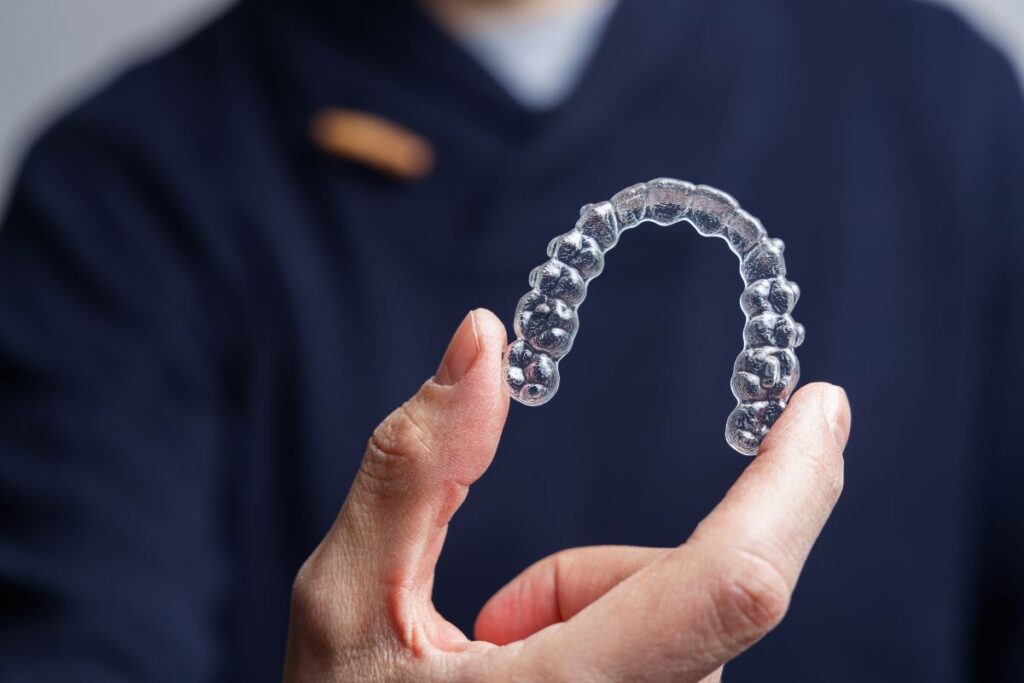
Before diving into the specifics of diet, it’s important to understand how Invisalign works. Invisalign uses a series of clear, removable aligners to gradually shift your teeth into the desired position. You typically wear each set of aligners for 20 to 22 hours a day, only removing them when eating, drinking (anything other than water), and brushing your teeth. This gives patients greater freedom, but it also requires diligence to keep the aligners clean and effective.
Diet During Invisalign: The Key Changes
One of the biggest advantages of Invisalign is that you don’t have to wear the aligners while eating, so you can technically enjoy all the foods you love. However, there are still several key changes you should keep in mind.
1. Remove Aligners Before Eating or Drinking
The most important rule is to always remove your aligners before eating or drinking anything other than water. This is crucial for two main reasons:
- Prevent Damage: Eating with aligners in can damage or stain them, leading to costly replacements.
- Hygiene: Food particles trapped between your aligners and teeth can promote bacteria growth, leading to cavities or gum disease.
Even drinks like coffee or soda can discolor your aligners, so it’s best to stick to water while they’re in place.
2. Snacking Might Decrease
Because you need to remove your aligners every time you eat and clean your teeth afterward, snacking may become less frequent. Some patients find the inconvenience of taking the aligners out and brushing their teeth after every snack leads them to eat less between meals.
While this may initially seem like a downside, it can lead to healthier eating habits and help with portion control, making it easier to maintain a balanced diet during treatment.
3. Focus on Water
Staying hydrated is important for oral health, and with Invisalign, water becomes your best friend. Water is the only beverage you can safely consume while wearing your aligners. This encourages healthier hydration habits, which can improve your overall health and help keep your teeth and aligners clean.
Foods to Avoid During Invisalign Treatment
While you can technically eat anything during Invisalign treatment (as long as the aligners are out), there are some foods that you may want to limit or avoid for practical reasons.
1. Sticky or Chewy Foods
Foods like caramel, gum, and toffee can stick to your teeth and be difficult to clean off before putting your aligners back in. Failing to thoroughly clean your teeth after eating sticky foods can lead to plaque buildup, which could impact the success of your treatment.
2. Sugary Snacks and Drinks
Invisalign aligners can trap sugar and acid against your teeth if you don’t brush thoroughly after consuming sugary foods or beverages. This can increase the risk of cavities and gum disease. It’s a good idea to limit your intake of sugary snacks and drinks during your treatment to maintain good oral health.
3. Crunchy or Hard Foods
Biting into very hard foods, such as ice, popcorn kernels, or hard candy, can potentially damage your teeth or dental work, which could interfere with your treatment. It’s best to avoid excessively hard foods or be extra careful when consuming them.
Tips for Maintaining a Healthy Diet During Invisalign
Maintaining a healthy diet during Invisalign treatment is important for both your oral health and overall well-being. Here are a few tips to help you make smart dietary choices while staying on track with your treatment.
1. Plan Your Meals
Since you need to remove your aligners every time you eat, it helps to plan your meals in advance. Focus on eating three balanced meals a day and minimizing the need for snacking. Planning ahead also ensures that you’re eating healthy, nutritious foods that support your dental and overall health.
2. Eat a Balanced Diet
A healthy diet is key to maintaining strong teeth and gums. Incorporate plenty of fresh fruits, vegetables, lean proteins, and dairy products that provide essential nutrients like calcium, vitamin D, and phosphorus. These nutrients are crucial for keeping your teeth strong during orthodontic treatment.
3. Carry a Travel Toothbrush
You will need to brush your teeth after every meal and snack before putting your aligners back in. Carrying a travel-sized toothbrush and toothpaste with you can make it easier to keep your teeth and aligners clean throughout the day. This also helps prevent plaque buildup and staining on your aligners.
4. Stay Consistent with Oral Hygiene
Maintaining a strong oral hygiene routine is essential during Invisalign treatment. Brush your teeth after every meal and before bed, floss daily, and clean your aligners regularly. Keeping both your teeth and aligners clean will prevent cavities and ensure your treatment progresses as planned.
The Benefits of Invisalign for Your Diet
While it may take some time to adjust to removing your aligners for every meal and brushing your teeth more frequently, many patients find that Invisalign helps them develop healthier eating habits. Here are a few benefits:
- Less Mindless Snacking: Removing the aligners and brushing your teeth after every snack can discourage unnecessary eating between meals, helping you adopt healthier habits.
- Improved Hydration: Drinking more water is beneficial for your oral and overall health, and with Invisalign, you’ll likely increase your water intake.
- Balanced Eating: By focusing on planned meals and avoiding foods that could harm your teeth, you may find yourself eating more balanced, nutritious meals.
Conclusion
Invisalign offers more flexibility with food compared to traditional braces, but it still requires a few adjustments. By removing your aligners before meals, avoiding certain foods, and sticking to a solid oral hygiene routine, you can enjoy a smooth and successful treatment. While some dietary changes are necessary, many patients find that these adjustments lead to healthier eating habits and a greater focus on oral care. Ultimately, Invisalign not only helps you achieve a beautiful smile but also encourages a healthier lifestyle.